OPSWAT’s Critical Infrastructure Cybersecurity Graduate Fellowship Program
This immersive and hands-on program provides a unique opportunity for graduate students to study and mitigate real-world cybersecurity vulnerabilities affecting critical infrastructure systems.
Program Overview
Identify and replicate known vulnerabilities in a controlled lab environment, leveraging OPSWAT Critical Infrastructure Lab resources.
Develop and test exploits related to these vulnerabilities, gaining insight into hacker tactics and methods.
Produce comprehensive written reports and visual content (video and images) detailing the vulnerabilities, the reasons behind their occurrence, and their potential impact on critical infrastructure.
Scan identified malware and vulnerabilities using OPSWAT's suite of tools, such as Metascan™, Deep CDR™ Technology, Proactive DLP™, MetaDefender Aether™, MetaDefender OT Security™, and Vulnerability Scanners, and document your findings.
Create a defense strategy that outlines protective measures against identified vulnerabilities and similar future threats, backed by your hands-on experience and testing results.

Program Structure
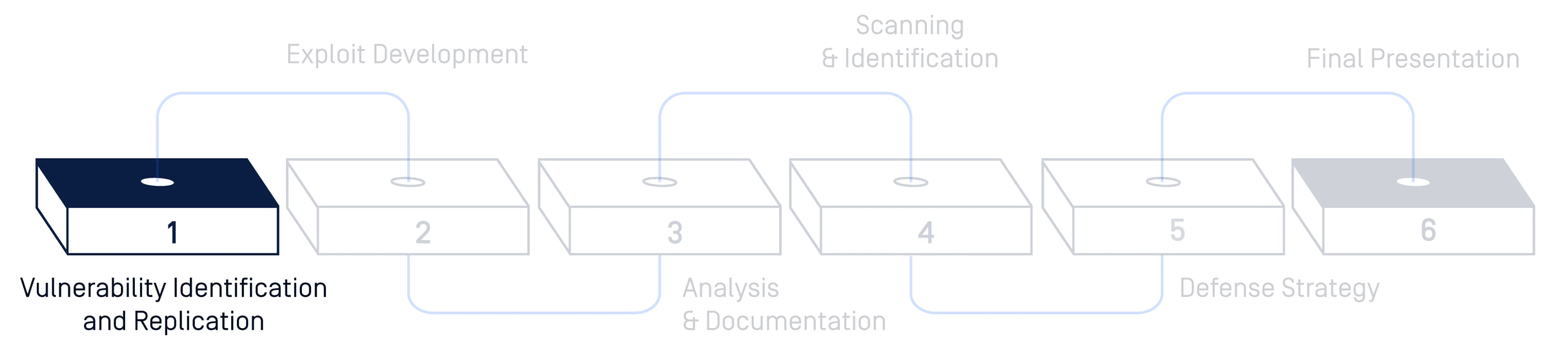
Vulnerability Identification and Replication
- Start with a known vulnerability (to be provided during the program).
- Replicate the vulnerability in the OPSWAT Critical Infrastructure Lab.
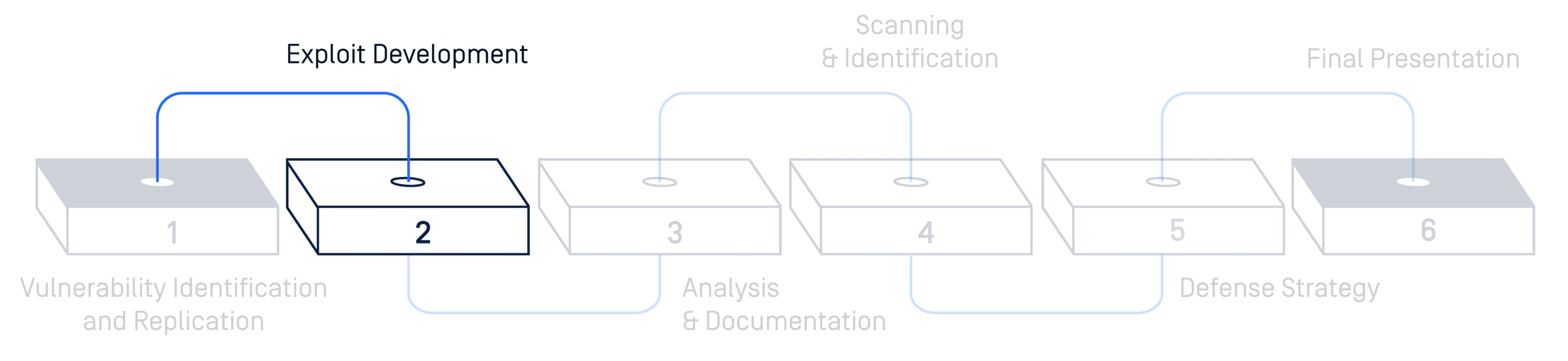
Exploit Development
- Develop an exploit for the identified vulnerability.
- Test and refine the exploit.
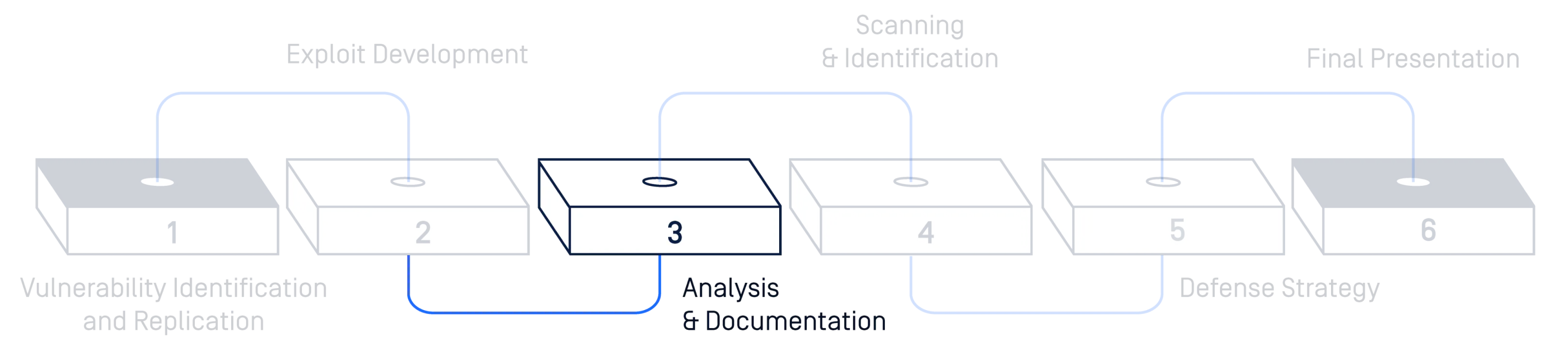
Analysis and Documentation
- Investigate and document the reasons the vulnerability occurred and its potential effects on critical infrastructure.
- Capture your process and findings through video/images, and written reports.
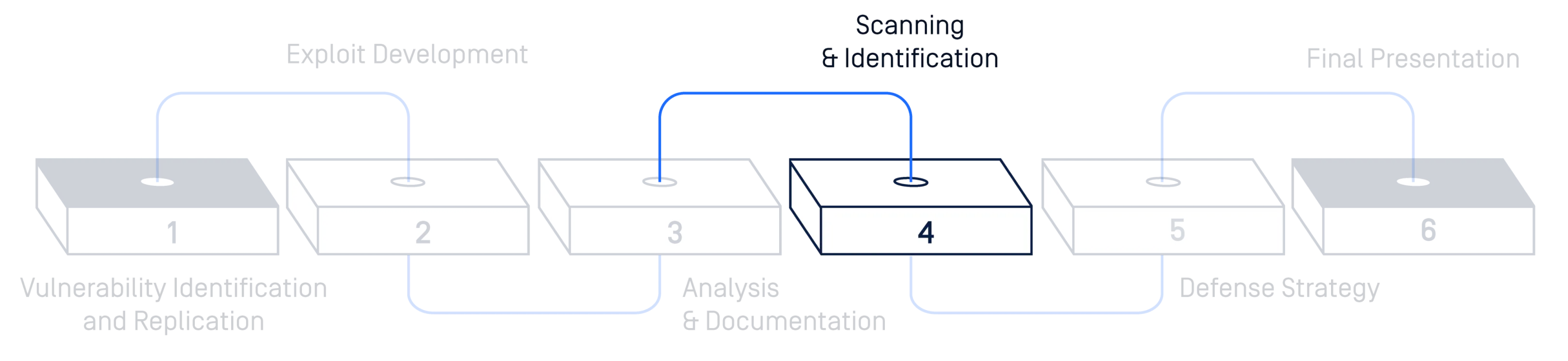
Scanning and Identification
- Use OPSWAT's Metascan, MetaDefender Aether, MetaDefender OT Security, and Vulnerability Scanners to scan and identify the malware and vulnerabilities.
- Document your scanning results and analysis.
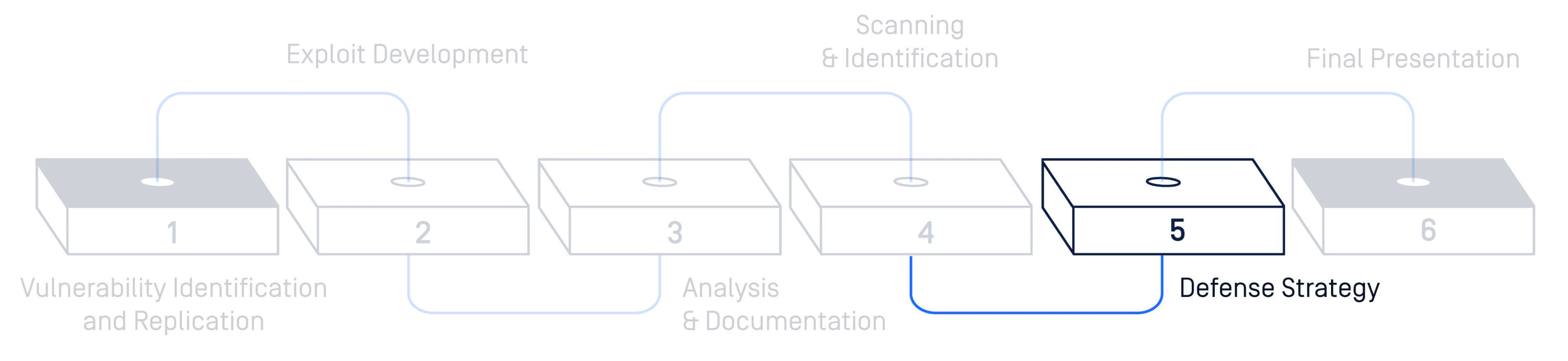
Defense Strategy
- Based on your findings, formulate a strategy to defend against the identified vulnerabilities and similar future threats.
- Write a detailed report and create visual content (diagrams, flowcharts, etc.) to illustrate the defense strategy.
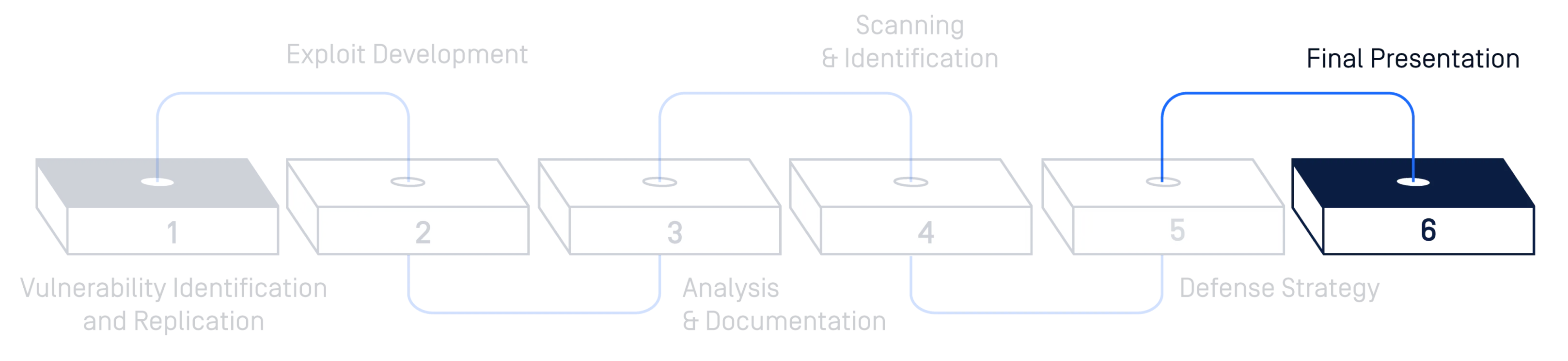
Final Presentation
- Compile all your findings, reports, and strategies into a comprehensive document and presentation.
- Present your work to a panel of cybersecurity experts from OPSWAT for feedback and further learning.
- Create a video and online material to be published on OPSWAT’s and your university’s website.
- Module 1
Vulnerability Identification and Replication
- Start with a known vulnerability (to be provided during the program).
- Replicate the vulnerability in the OPSWAT Critical Infrastructure Lab.
- Module 2
Exploit Development
- Develop an exploit for the identified vulnerability.
- Test and refine the exploit.
- Module 3
Analysis and Documentation
- Investigate and document the reasons the vulnerability occurred and its potential effects on critical infrastructure.
- Capture your process and findings through video/images, and written reports.
- Module 4
Scanning and Identification
- Use OPSWAT's Metascan, MetaDefender Aether, MetaDefender OT Security, and Vulnerability Scanners to scan and identify the malware and vulnerabilities.
- Document your scanning results and analysis.
- Module 5
Defense Strategy
- Based on your findings, formulate a strategy to defend against the identified vulnerabilities and similar future threats.
- Write a detailed report and create visual content (diagrams, flowcharts, etc.) to illustrate the defense strategy.
- Module 6
Final Presentation
- Compile all your findings, reports, and strategies into a comprehensive document and presentation.
- Present your work to a panel of cybersecurity experts from OPSWAT for feedback and further learning.
- Create a video and online material to be published on OPSWAT’s and your university’s website.
What We Offer You
By the end of this program, you will gain an in-depth understanding of vulnerability analysis, exploit development, and cybersecurity defense strategies within the context of critical infrastructure. This hands-on experience will be invaluable in helping you build and develop your future career in Cybersecurity. You can include this practical exercise in future Master’s and Doctoral Research projects.
CIP Labs Experience
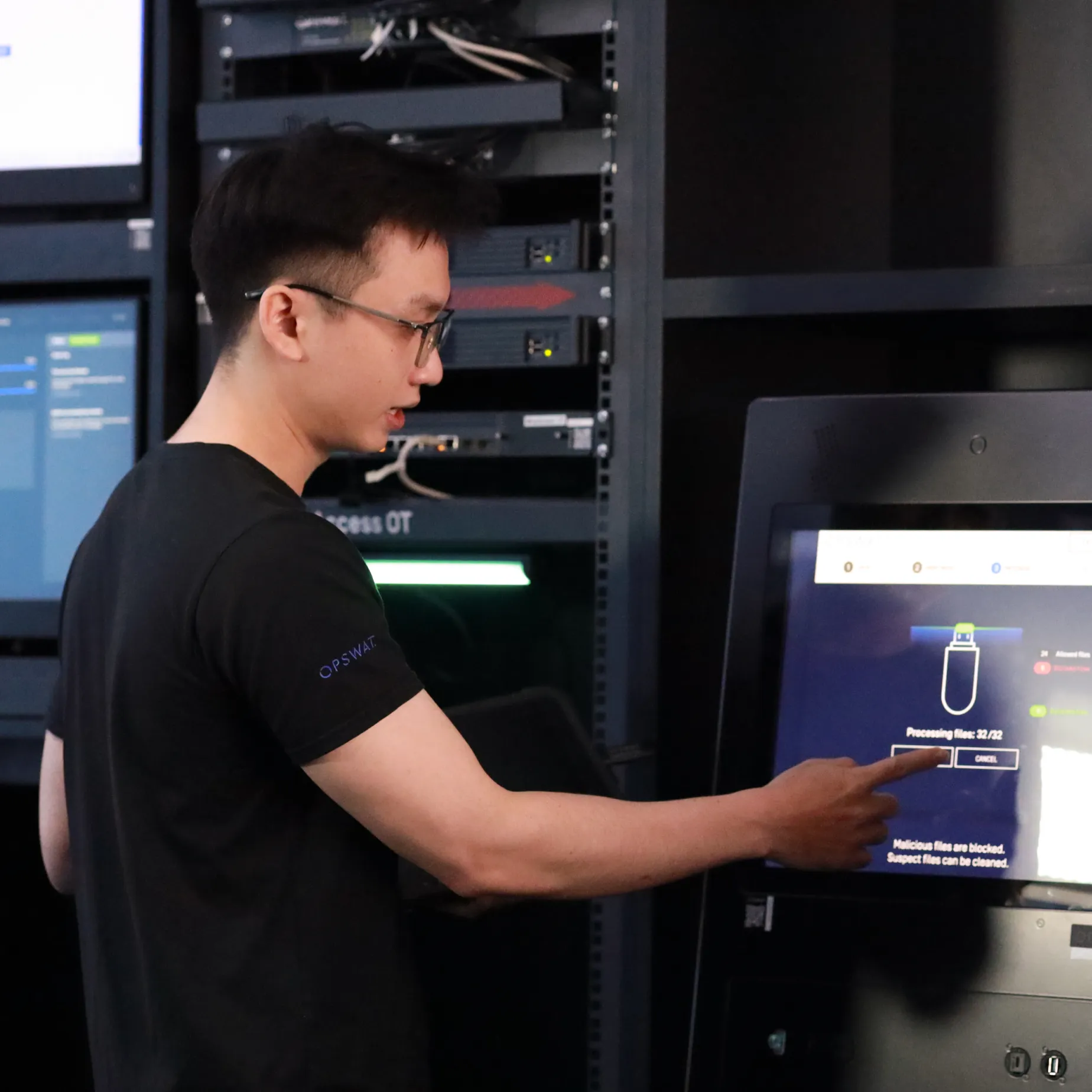
You will have the opportunity to explore and work on OPSWAT’s Critical Infrastructure Labs.
Career Opportunities
Opportunities to become Intern/FTE of OPSWAT after the program.
Compensations & Awards
Monthly allowance (for 3 day working week): gross VND 6,000,000. Award for individual/team with excellence performance.
Friendly Work Environment
Parking at the office building. Enjoy full office facilities, with breakfast & afternoon snacks, as well as other social activities.
What We Need From You
- Final year student or fresh graduate, major in Cybersecurity, IT or Computer Science with a special interest in Cybersecurity.
- Good English communication
- Quantity: 4-6 members/SWAT.
- Ability to work in the office at least 3 days/week (Mon-Wed-Fri) for a period of 6 weeks in a row.
| SWAT 1 | Mar 16, 2026 – May 29, 2026 |
| SWAT 2 | Jun 22, 2026 – Aug 28, 2026 |
| SWAT 3 | Sep 21, 2026 – Nov 27, 2026 |
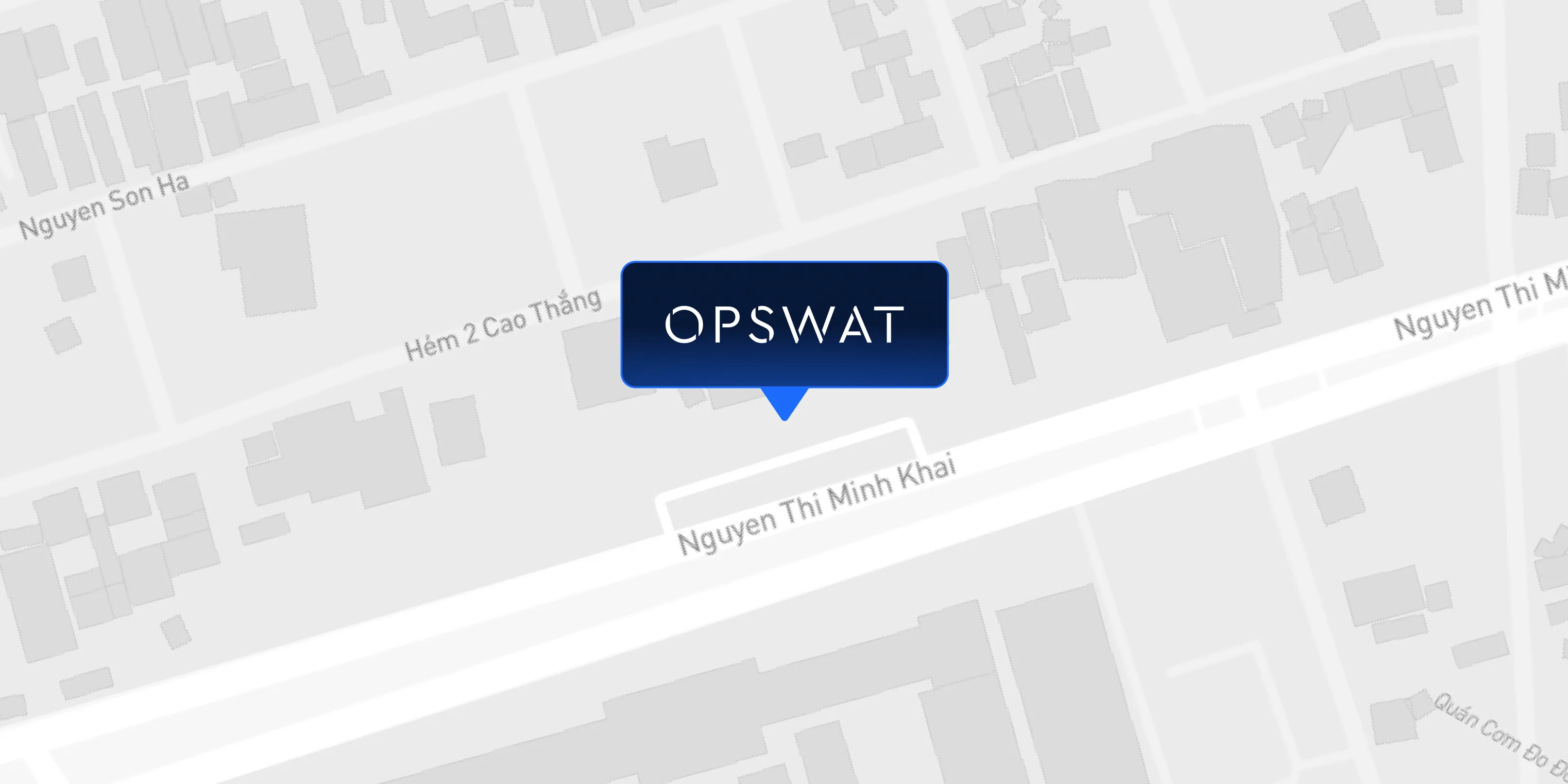
Work Location
Sai Gon Giai Phong Building, 436-438 Nguyen Thi Minh Khai, Ban Co Ward, Ho Chi Minh City
Showcase
Explore the exceptional projects created by the talented students involved in this program below. This collection is regularly updated to showcase the latest research developments as the program advances.
Latest Works
- CVE-2025-50154: Coerced NTLM Authentication via Windows Explorer Shortcut Processing
CVE-2025-50154 is a Windows File Explorer vulnerability that can expose sensitive authentication material over the network.
Meet 2025 - SWAT 3 - Team 1 Duong Chi VyHCMC University of Technology, Vietnam
 Nguyen Duc LoiVietnam Academy of Cryptography, VietnamHOW OPSWAT HELPS PROTECTMetaDefender Endpoint
 - CVE-2025-32432: Unauthenticated Remote Code Execution in Craft CMS
In April 2025, Orange Cyberdefense discovered a critical vulnerability in Craft CMS during an incident investigation, now tracked as CVE-2025-32432
Meet 2025 - SWAT 2 - Team 2 Duong Bao ChauAcademy of Cryptography Techniques, Vietnam
 Nguyen Thang LoiHCMC University of Technology and Education, VietnamHOW OPSWAT HELPS PROTECTMetaDefender Core
