Protecting Data Pipelines, LLMs and Model Endpoints
Protect enterprise AI from malicious content, poisoned data, prompt injection, and sensitive data exposure. OPSWAT inspects, sanitizes, and controls files and data across ingestion, storage, training, LLM interactions, open-source models, and inference.
- Multilayer Threat Prevention
- Sensitive Data Protection
- AI Model and Content Security
OPSWAT is Trusted by














Which third-party datasets are actively corrupting our vector embeddings?
Where are dormant payloads hiding inside our AI cloud storage systems?
What hidden malware is lurking inside files uploaded to our RAG database?
How do we detect zero-day exploits before they enter our training clusters?
What mechanisms stop employees from uploading malicious code into our local models?
What corporate PII is accidentally slipping through into public AI APIs?
How do we strip hidden, sensitive metadata before files reach our AI pipelines?
How does a serialized model file execute malicious code when loaded?
Which open-source model formats pose the highest risk of infecting our infrastructure?
How do we detect if an agent generates or processes a fraudulent document?
Why are external AI model packages bypassing our standard perimeter firewalls?
Untrusted Data Creates Risk Across AI Workflows
Enterprise AI development depends on files and data from users, enterprise applications, repositories, databases, APIs, third-party sources, and external models. When these data, LLMs and files enter AI workflows without the right security controls, malware, sensitive information, and manipulated data can affect downstream models, agents, and applications.


Prompt Injection Manipulates AI Behavior
Malicious prompts, hidden instructions, and unsafe outputs can manipulate AI behavior, expose sensitive data, or trigger unintended actions across LLMs and agents.

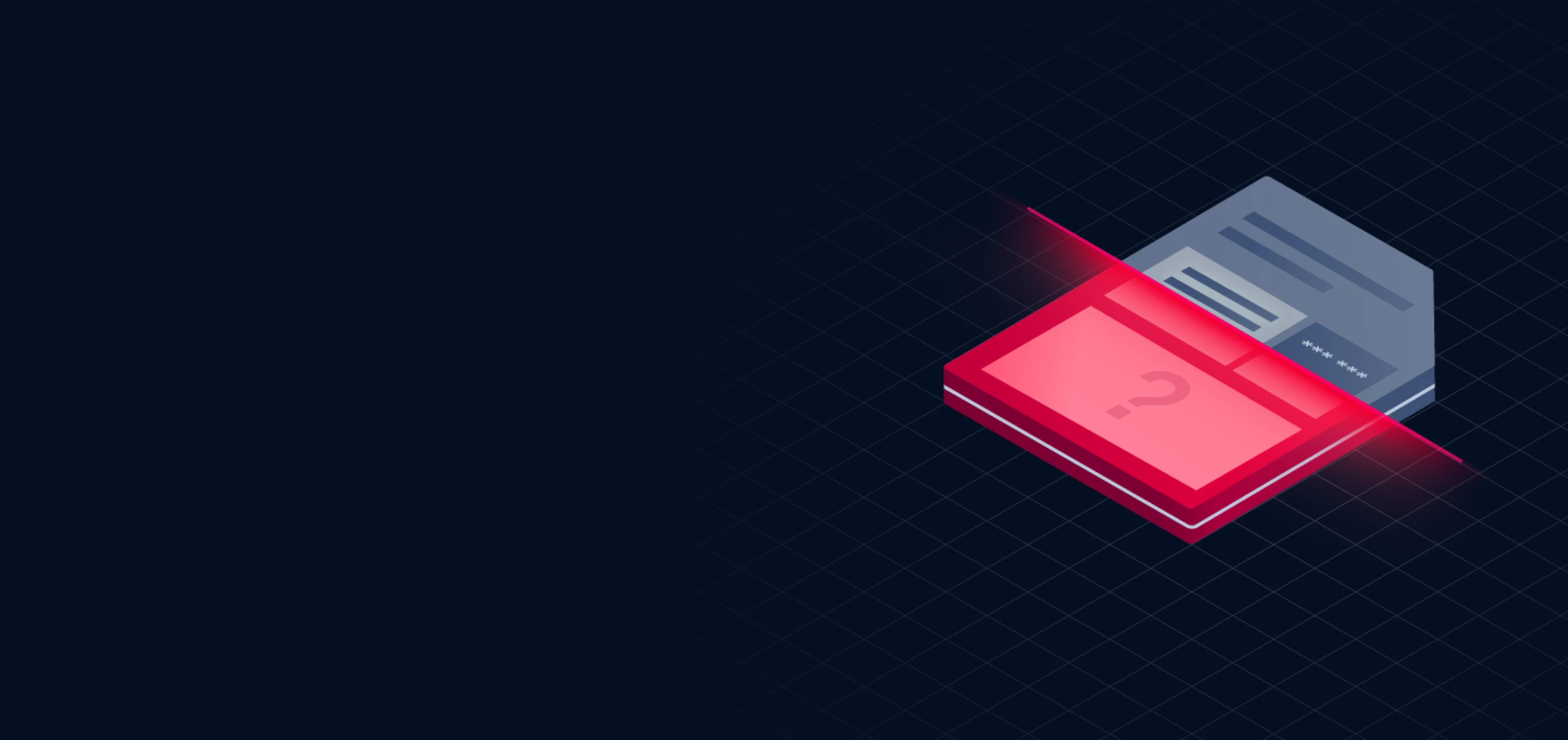
Sensitive Data Can Be Exposed Through AI
Confidential, regulated, proprietary, and high-risk data can enter prompts, training datasets, retrieval workflows, and AI applications.

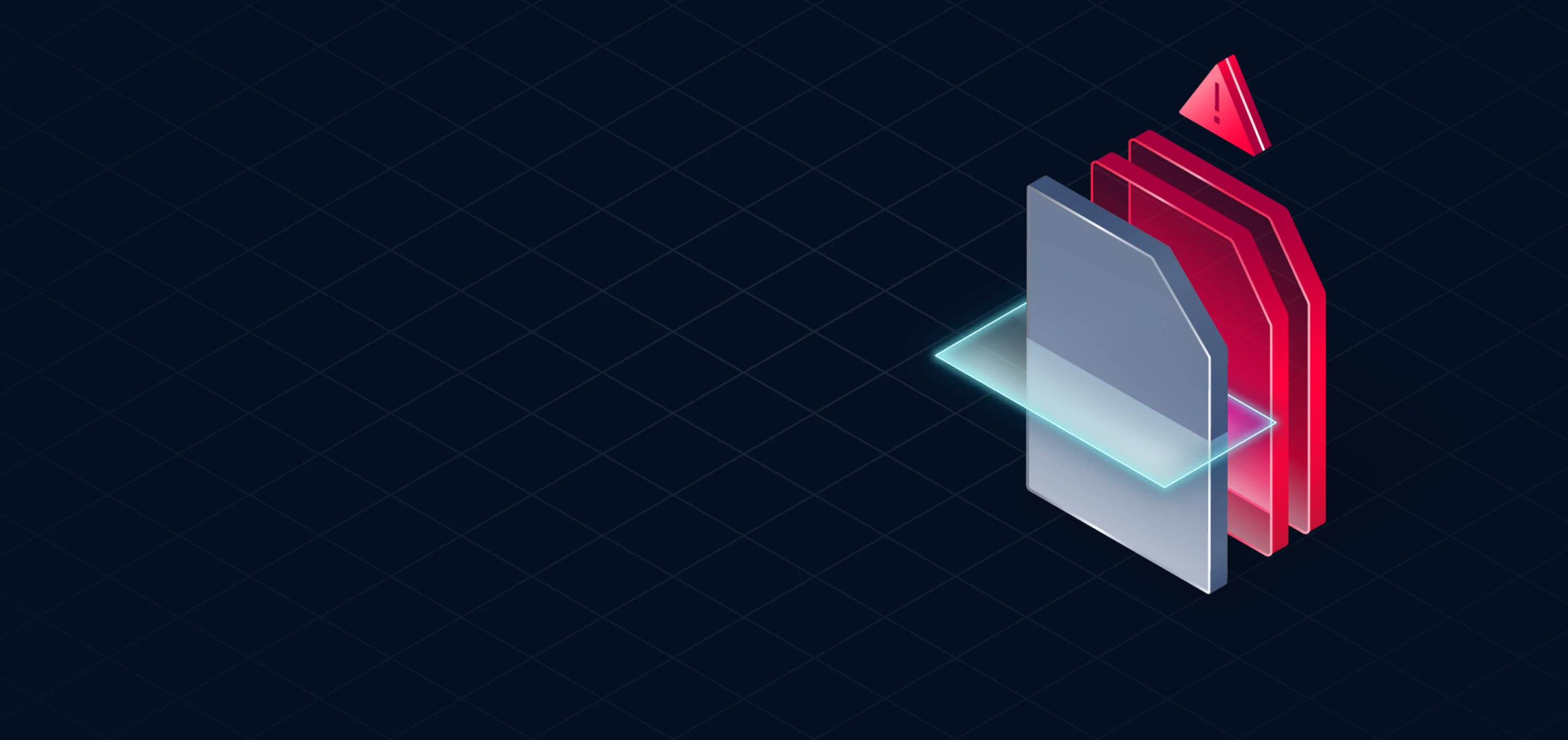
Malicious Files Can Compromise AI Workflows
Documents, archives, images, code, and model files can contain embedded objects, scripts, metadata, and nested content. Each introduces distinct risks, from malware and hidden payloads to data leakage.


Unverified AI Assets Can Introduce Risk
Model files, datasets, notebooks, archives, and supporting artifacts often enter AI environments from internal teams, third parties, and open-source sources. Without inspection, these assets can carry malware, sensitive data, vulnerable components, or unsafe files into training, evaluation, storage, and deployment workflows.
Secure Every Stage of Enterprise AI Development
OPSWAT applies multi-layered, prevention first security across the data feeding AI, the models introduced into enterprise environments, and the interactions occurring through LLMs and inference endpoints.

Protect Data Across AI Training Pipelines
Secure structured and unstructured data as it enters, moves through, and is stored across AI training environments. OPSWAT applies multiple layers of inspection and prevention to help stop malicious content and sensitive data from becoming trusted AI input.


Inspect AI Model Artifacts Before Deployment
Scan model files, archives, notebooks, configuration files, and supporting artifacts before they are introduced into enterprise AI environments. OPSWAT helps detect file-based threats, sensitive data, and risky assets across storage, transfer, and deployment workflows.

Secure LLM File and Data Exchanges
Employees, customers, and applications can send files, prompts, and retrieved content into LLM-powered workflows. OPSWAT helps inspect, sanitize, and control these exchanges before risky files or sensitive data reach AI assistants, RAG systems, chatbots, or downstream applications.
Disrupt the AI Data Attack Chain
Threats can spread across AI/ML workflows through files, data, and inputs. OPSWAT inspects, sanitizes, and controls content before downstream impact.
Protect Critical Enterprise AI Workflows
Deploy OPSWAT AI Security wherever files and data enter, move through, or are consumed by AI workflows. Inspect and sanitize untrusted content, stop file-based threats, and control sensitive data across training pipelines, RAG, LLMs, agents, and AI applications.
Multi-Layered Prevention for Enterprise AI
OPSWAT combines advanced threat detection, content inspection, data protection, and sanitization to secure AI data pipelines, models, storage, and LLM interactions before malicious content or sensitive data can propagate across the AI environment.
Protect Data Moving Across AI Workflows
Secure the content enterprise AI depends on, including files, datasets, repositories, uploads, retrieved sources, and other business data across training, RAG, LLM, agent, and application workflows.
Prevent LLM Model & Supply Chain Threats
Scan open source LLMs, model files, and associated artifacts for malware, malicious content, and sensitive data before they are introduced into enterprise AI environments.
Control Sensitive Data from Inputs and Outputs
Detect and protect regulated, confidential, proprietary, and other sensitive data as it moves through training, retrieval, generative AI, and agentic workflows.
Apply Prevention First Security to Entire AI Development
Apply security controls throughout AI/ML workflows to reduce risk before malicious or sensitive content can be trusted, processed, or acted upon by downstream AI systems.
Powered by OPSWAT MetaDefender Platform
The MetaDefender Platform powers a portfolio of security products designed to address different risks across enterprise AI development. From data ingestion and storage to model security and AI interactions, each product brings proven OPSWAT prevention technologies to a critical part of the AI environment.

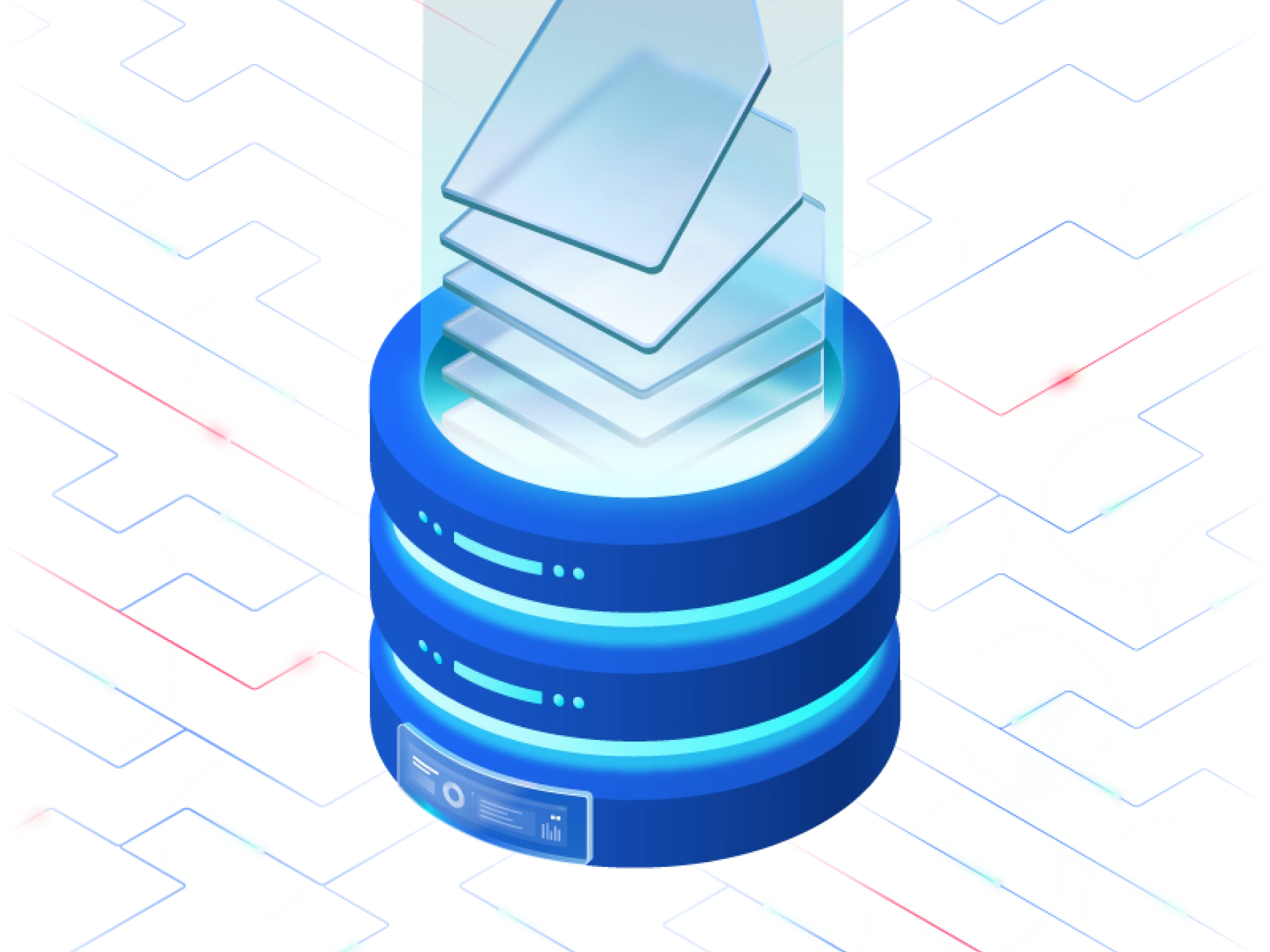
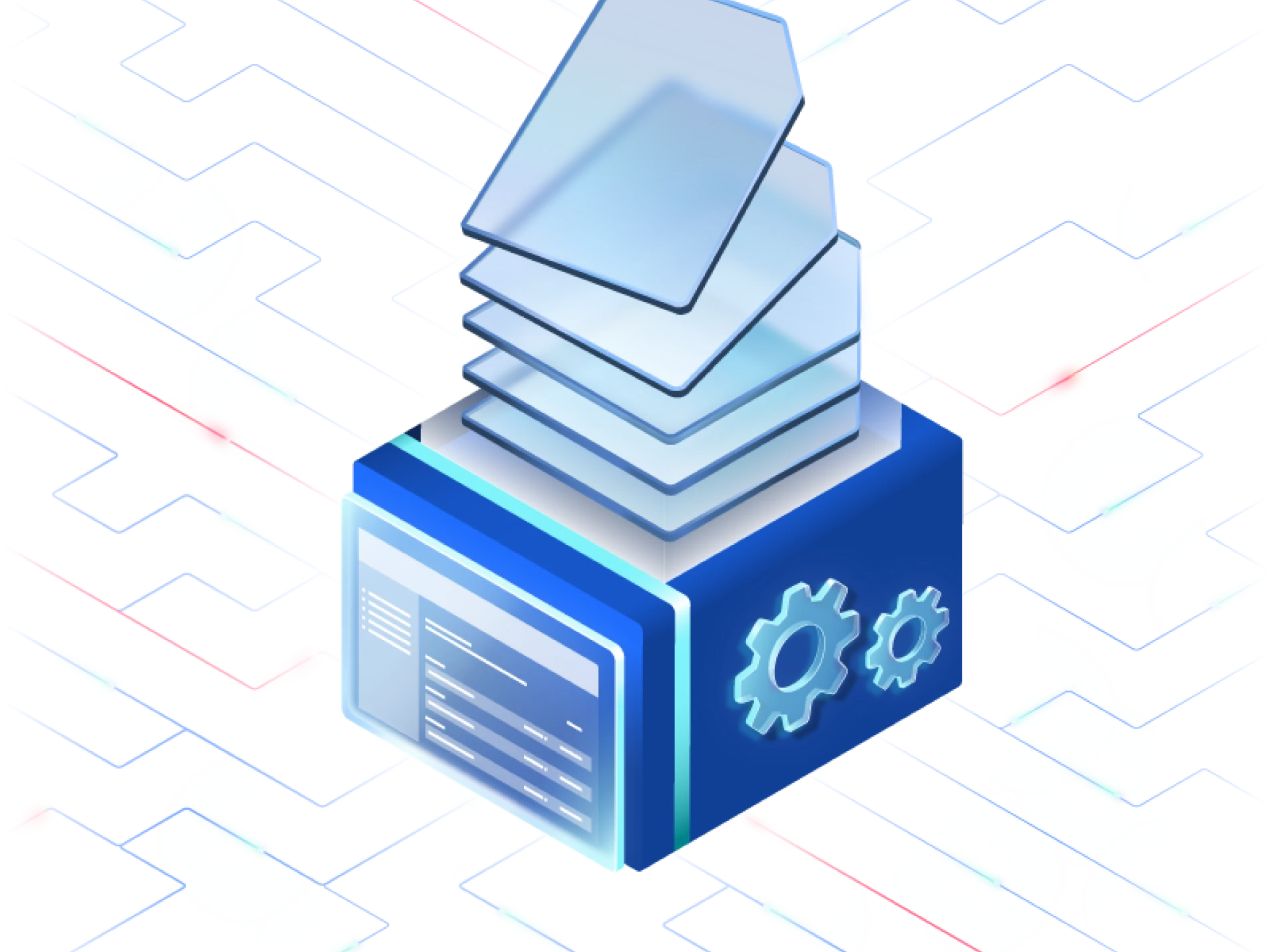
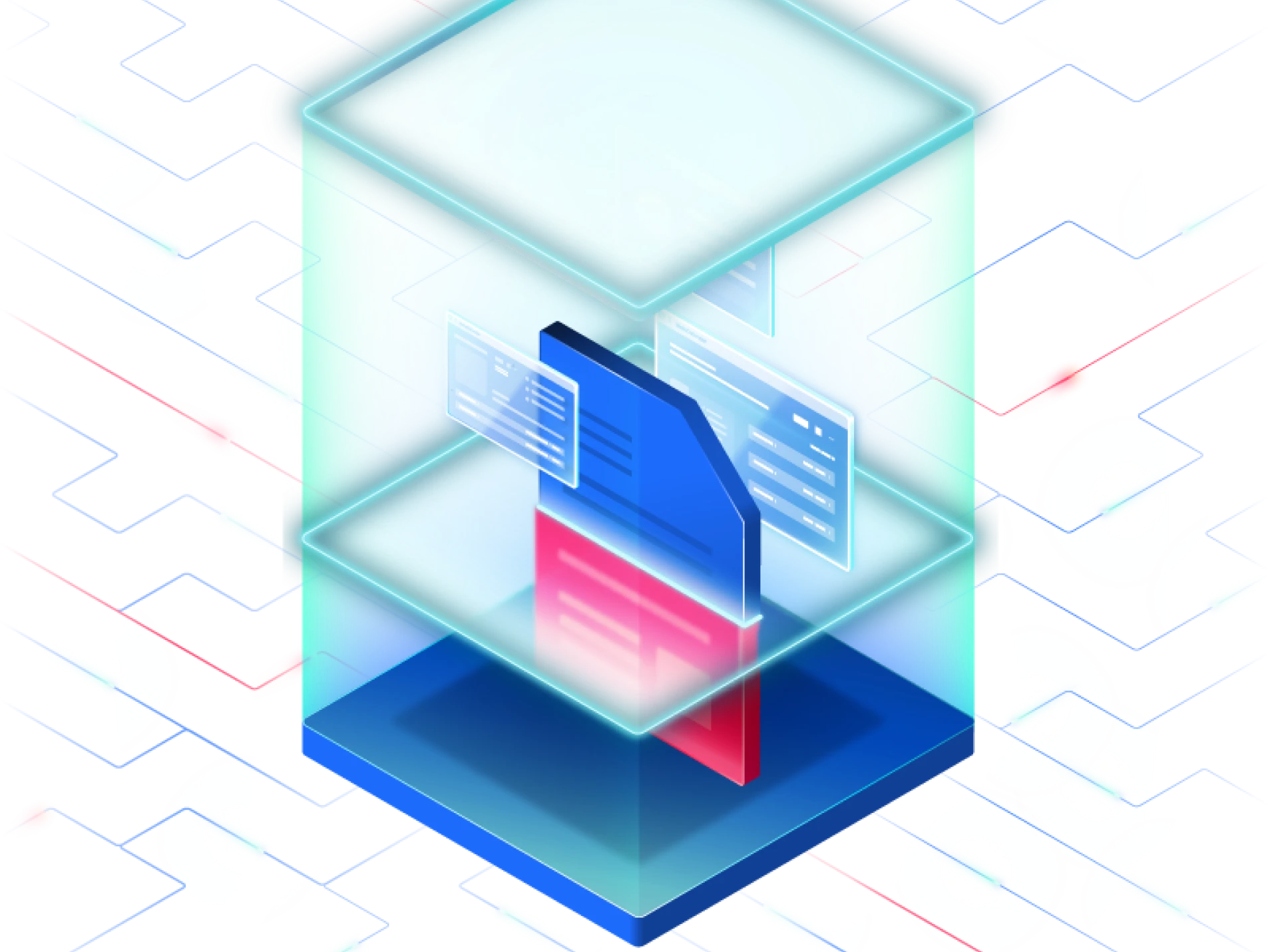
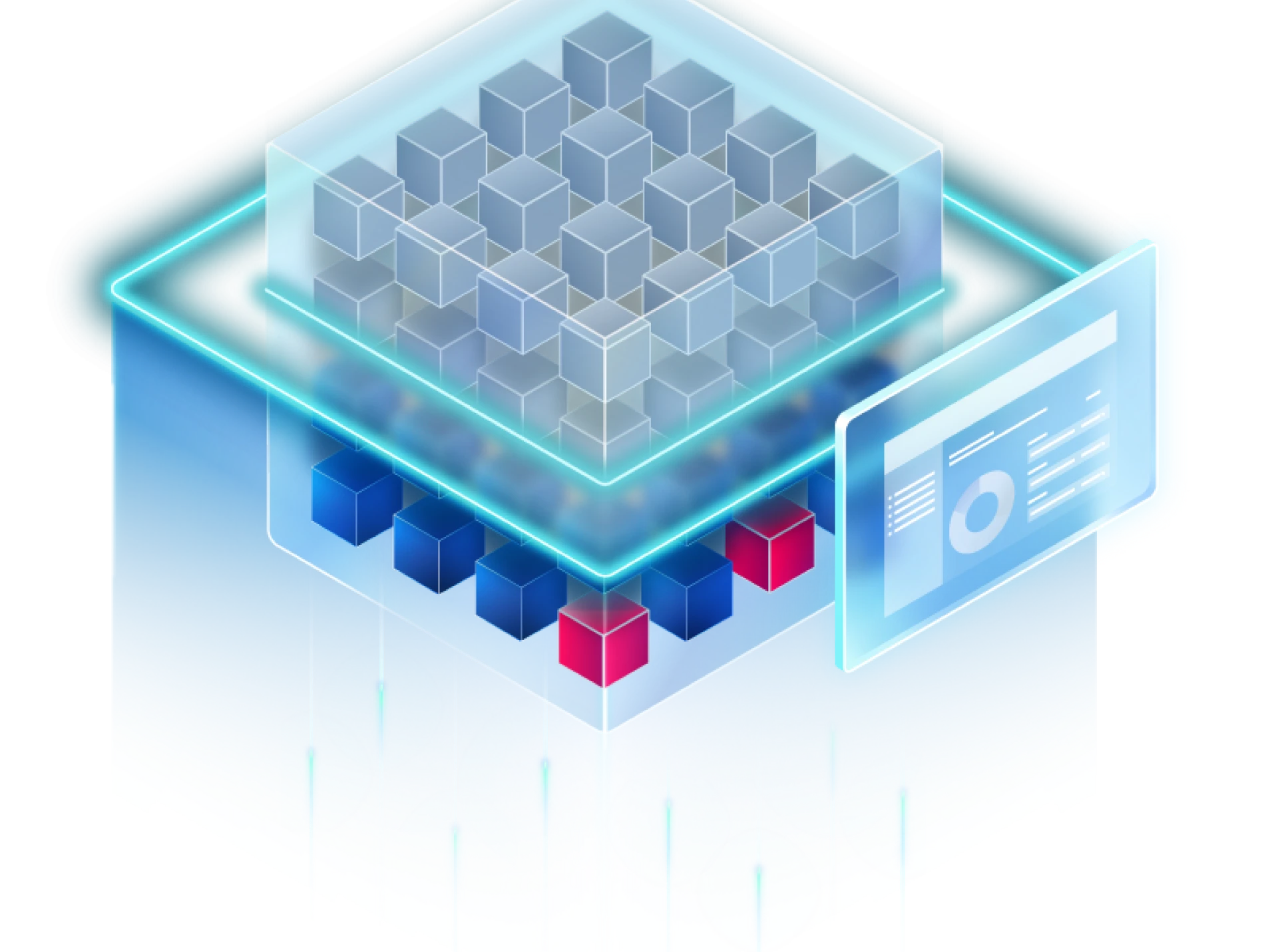
Aid AI Compliance and Data Governance
Unvetted data and malicious LLM models can introduce threats, expose sensitive information, and increase compliance risk. OPSWAT helps reduce that risk with content inspection, data classification, model scanning, and automated sanitization across enterprise AI.
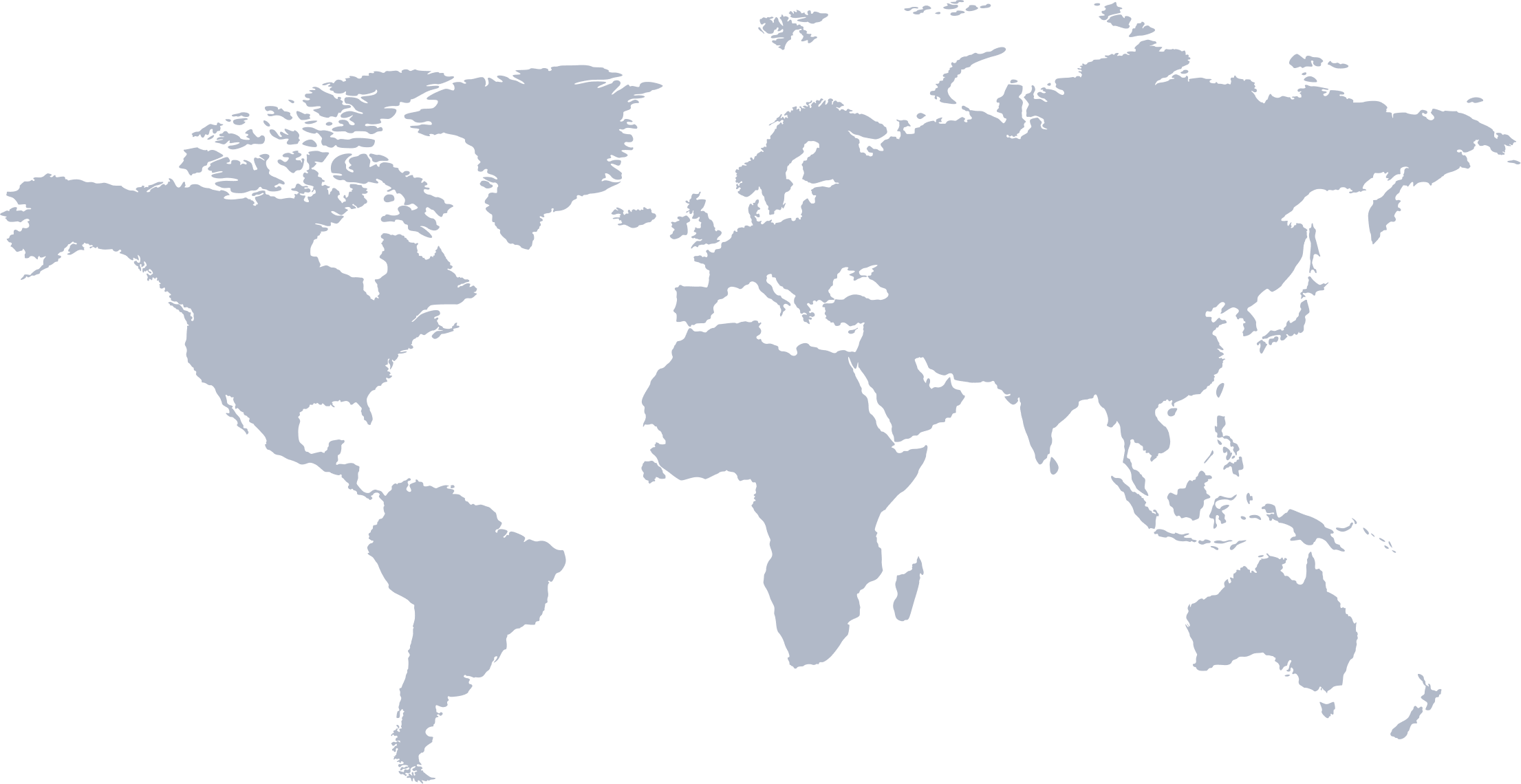
- Click to learn moreUSA - Federal 8 frameworks
- Click to learn moreUSA - State 9 frameworks
- Click to learn moreCanada 5 frameworks
- Click to learn morePeru 1 framework
- Click to learn moreBrazil 2 frameworks
- Click to learn moreUnited Kingdom 5 frameworks
- Click to learn moreEurope 1 framework
- Click to learn moreEuropean Union 4 frameworks
- Click to learn moreItaly 1 framework
- Click to learn moreSpain 1 framework
- Click to learn moreSaudi Arabia 1 framework
- Click to learn moreUAE 2 frameworks
- Click to learn moreSouth Korea 1 framework
- Click to learn moreJapan 2 frameworks
- Click to learn moreSingapore 2 frameworks
- Click to learn moreAustralia 1 framework
Purpose Built for Every Sector
Protect critical AI workflows from untrusted data, malicious models, and sensitive data exposure with multilayer, prevention first security designed for sector specific environments.
Energy
Secure engineering drawings, SCADA exports, inspection reports, and infrastructure data before they enter AI workflows.
Government
Control sensitive, mission-critical, and externally transferred data before it enters AI-enabled systems.
Financial Services
Reduce the risk of malicious document ingestion, customer data exposure, and compliance violations in AI-powered workflows.
Manufacturing
Secure design files, supplier documents, operational data, and production workflows connected to AI systems.
Recommended Resources
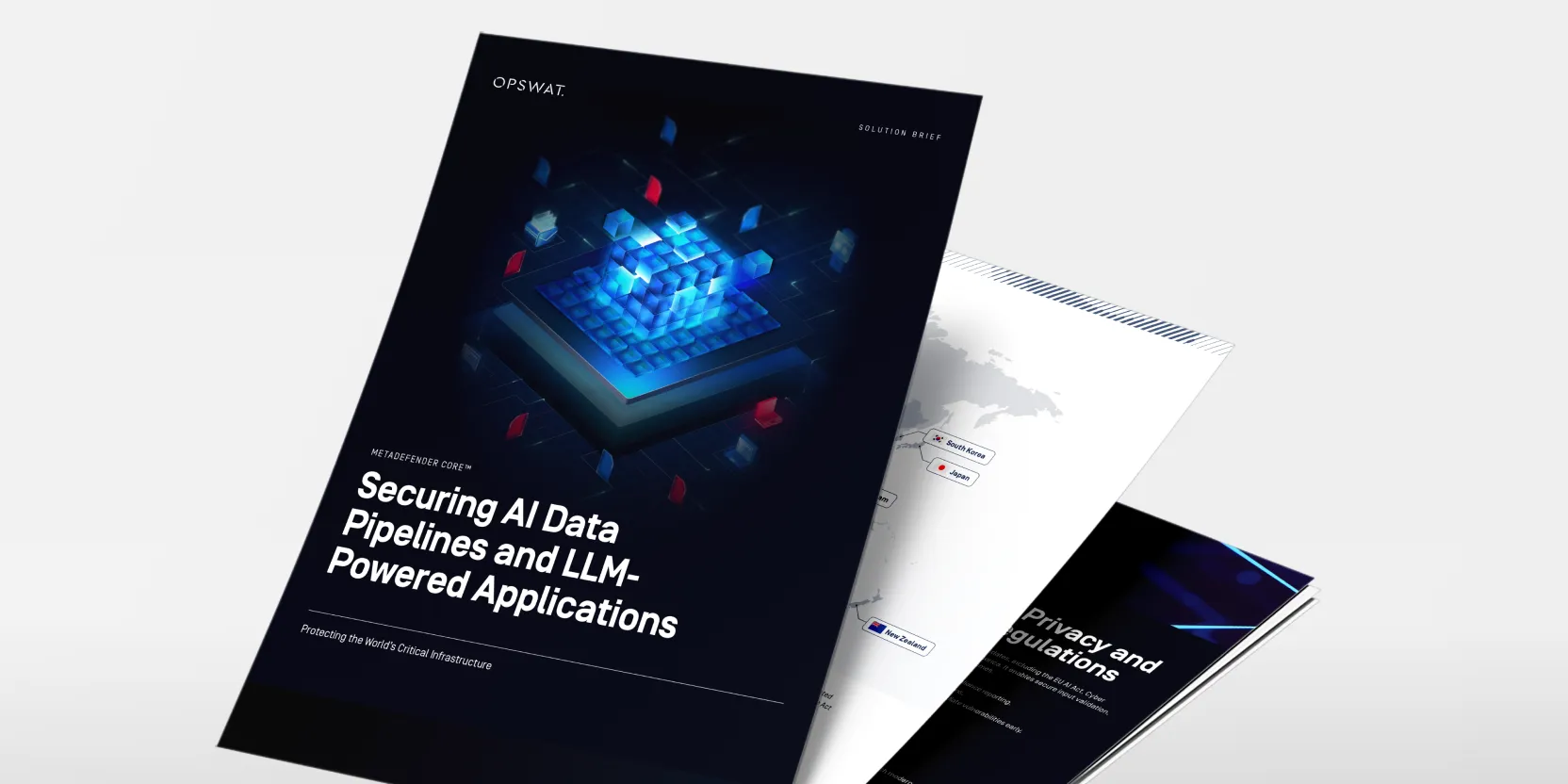
MetaDefender Core for Secure AI Data Pipeline & LLM Applications

OPSWAT for Financial Services: Secure AI Innovations for the Finance Industry
FAQs
Enterprise AI security protects the data, models, storage, and interactions that support AI systems. It helps reduce risks from malicious content, sensitive data exposure, unsafe models, prompt injections, and other threats across the AI lifecycle.
OPSWAT AI Security protects files and data across AI training pipelines, data and model storage, open-source LLM models, RAG systems, chatbot interactions, and inference endpoints.
OPSWAT inspects, sanitizes, and controls structured and unstructured data before and as it moves through AI training pipelines, helping prevent malicious content and sensitive data from becoming trusted AI input.
OPSWAT can validate data before transfer and leverage MetaDefender Data Diode technology to enable secure one-way movement of approved data into protected environments.
OPSWAT scans open-source LLM models, model files, and associated artifacts for malware, malicious content, and sensitive data before they are introduced into enterprise AI environments.
OPSWAT inspects files and content exchanged through chatbot inputs and outputs, RAG systems, and inference endpoints to help identify and prevent prompt injections and other malicious content from reaching AI applications.
OPSWAT identifies and controls sensitive information across AI data pipelines, storage, models, RAG workflows, and LLM interactions to help prevent unintended exposure or leakage.
AI firewalls typically focus on runtime interactions with AI applications. OPSWAT applies multilayer, prevention first security across a broader AI environment, including data pipelines, storage, model files, LLM interactions, RAG systems, and inference endpoints.
OPSWAT combines multiple inspection, detection, classification, and sanitization technologies to identify and neutralize risk across data, models, and AI interactions before malicious content or sensitive data can propagate downstream.
OPSWAT helps organizations apply security and data controls across enterprise AI environments to protect sensitive information, enforce internal policies, and support evolving regulatory, governance, and data protection requirements.
Ready to Secure Your Enterprise AI?
Fill out the form and we’ll be in touch within 1 business day.
AI innovation depends on trusted inputs. OPSWAT helps organizations inspect, sanitize, classify, and control the files, data, prompts, and sources feeding AI models, LLMs, RAG pipelines, agents, applications, and workflows.
