Secure Digital Evidence for Law Enforcement
Collect, inspect, sanitize, and transfer digital evidence safely, before it reaches forensic labs, analysts, prosecutors, or partner agencies.
- Malware-Free Evidence
- Clean, Usable Files
- Verifiable Chain of Custody
OPSWAT is Trusted by























Every Item of Evidence Can Carry Hidden Risk
Teams must move fast, yet traditional transfer and storage tools secure the channel, not the content, so malware hidden in files and devices slips through.
Contamination Risk
Seized devices and files can contain malware. One infected USB, laptop, archive, video, image, or document can compromise a forensic workstation, corrupt analysis environments, and derail active investigations.
Evidence Integrity
Digital evidence moves between collection points, forensic labs, repositories, and partner agencies. Without hashing, audit trails, and controlled transfer processes, organizations face increased risk of errors, tampering concerns, and incomplete documentation, now compounded by AI-generated images, manipulated visual evidence, and fraudulent documents that can enter a case undetected.
Sensitive Data Exposure
Case files, seized media, and citizen submissions can hold credit card numbers, national IDs, personal data, and confidential case information. Agencies need to find and control this data before evidence is shared or stored.
Investigation Efficiency
Investigators often spend significant time validating evidence, scanning files, transferring data, and managing security controls. Manual processes create operational bottlenecks and increase workload for already constrained teams.
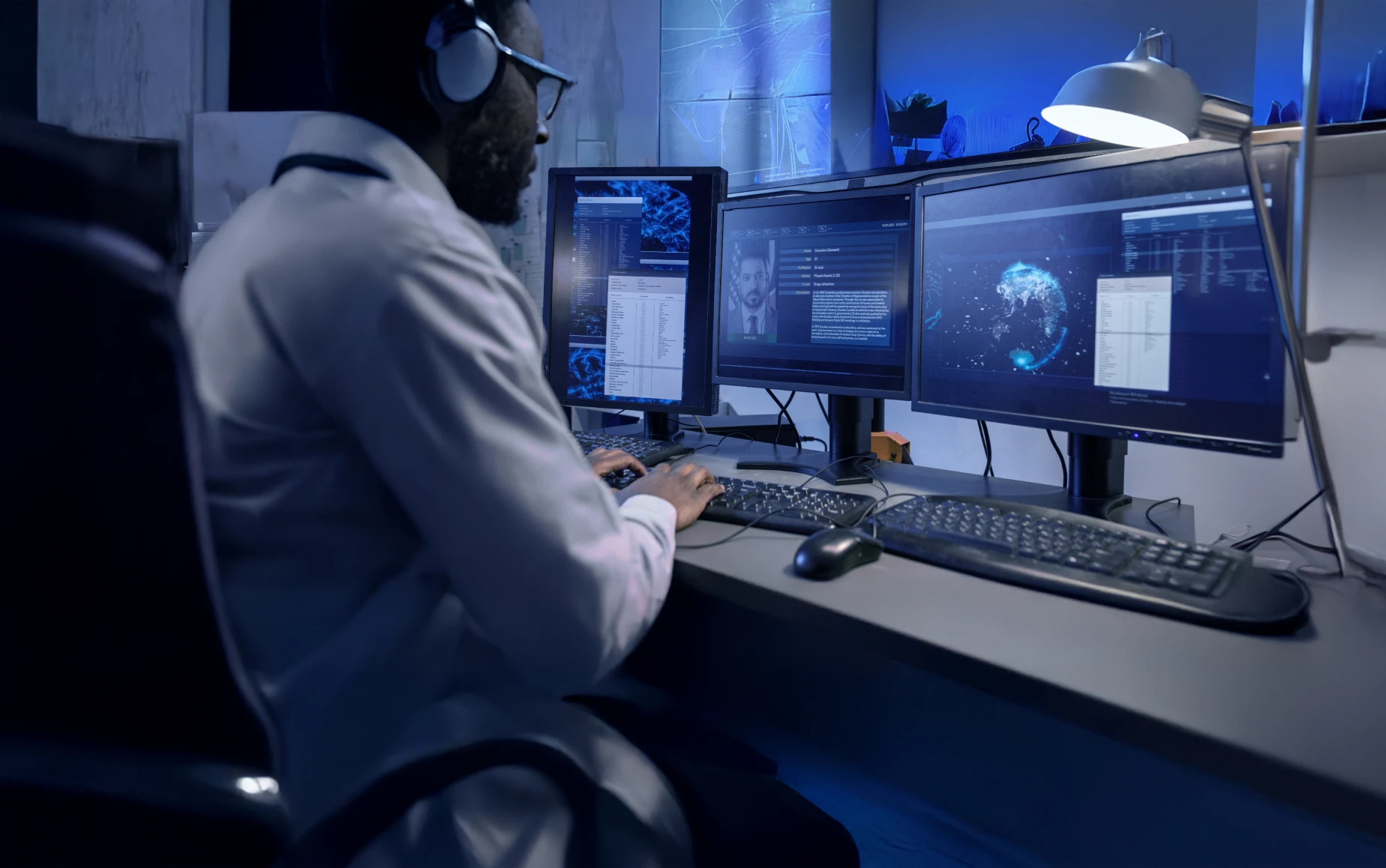
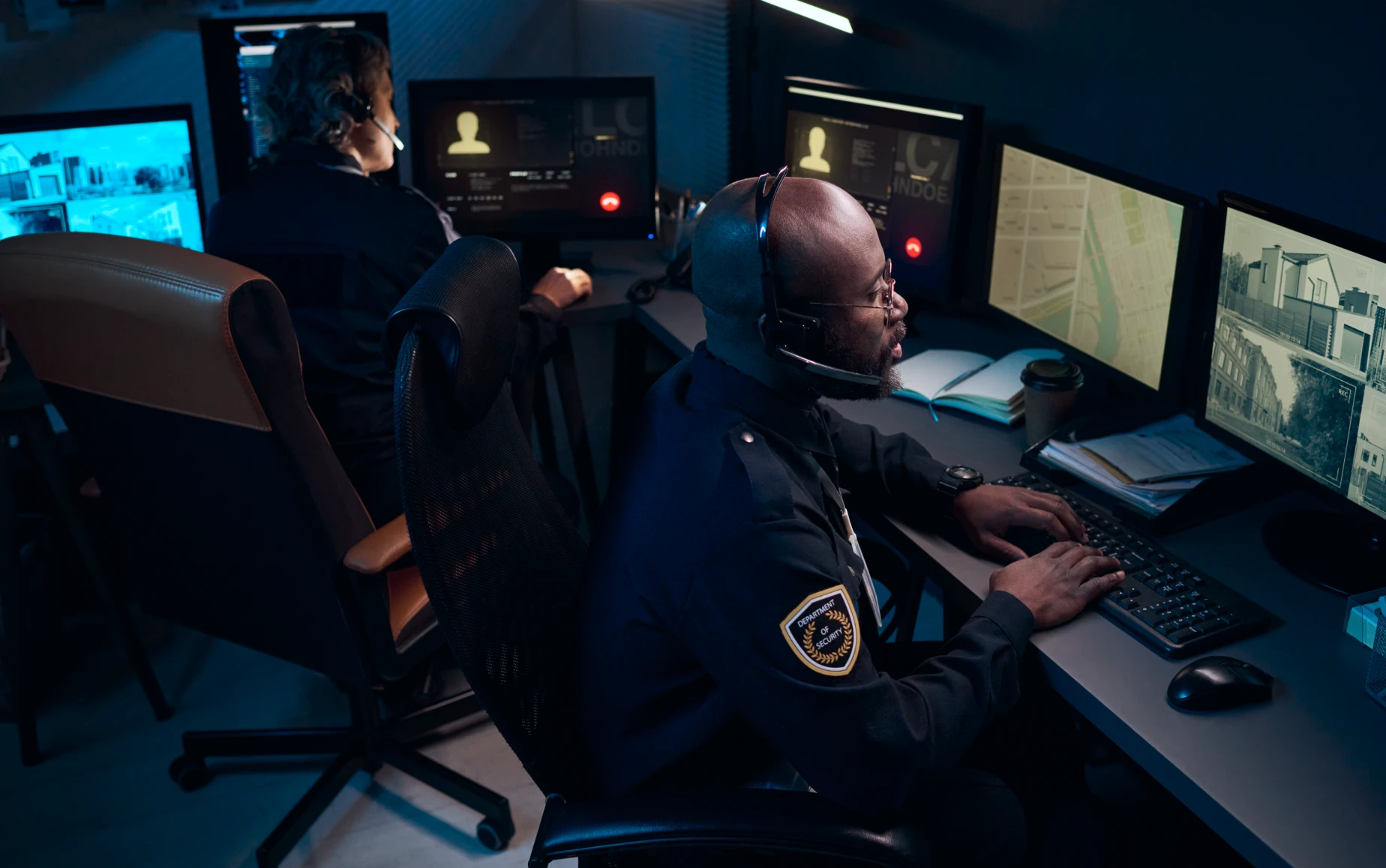
Secure Evidence at Every Stage of the Workflow
Built on the MetaDefender® Platform, OPSWAT inspects, sanitizes, and transfers digital evidence while protecting sensitive data across investigative workflows.

Collect Evidence Through a Secure Intake
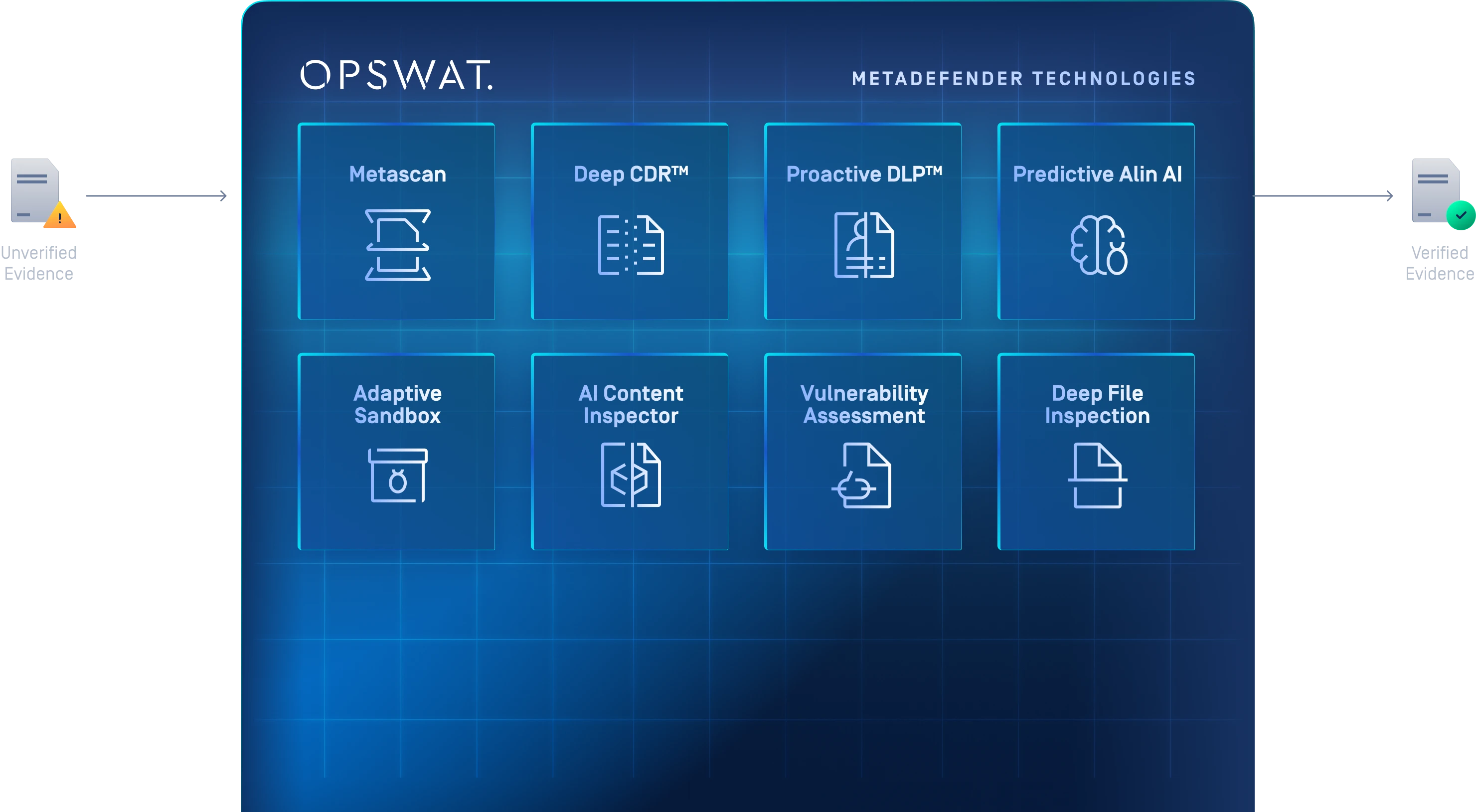
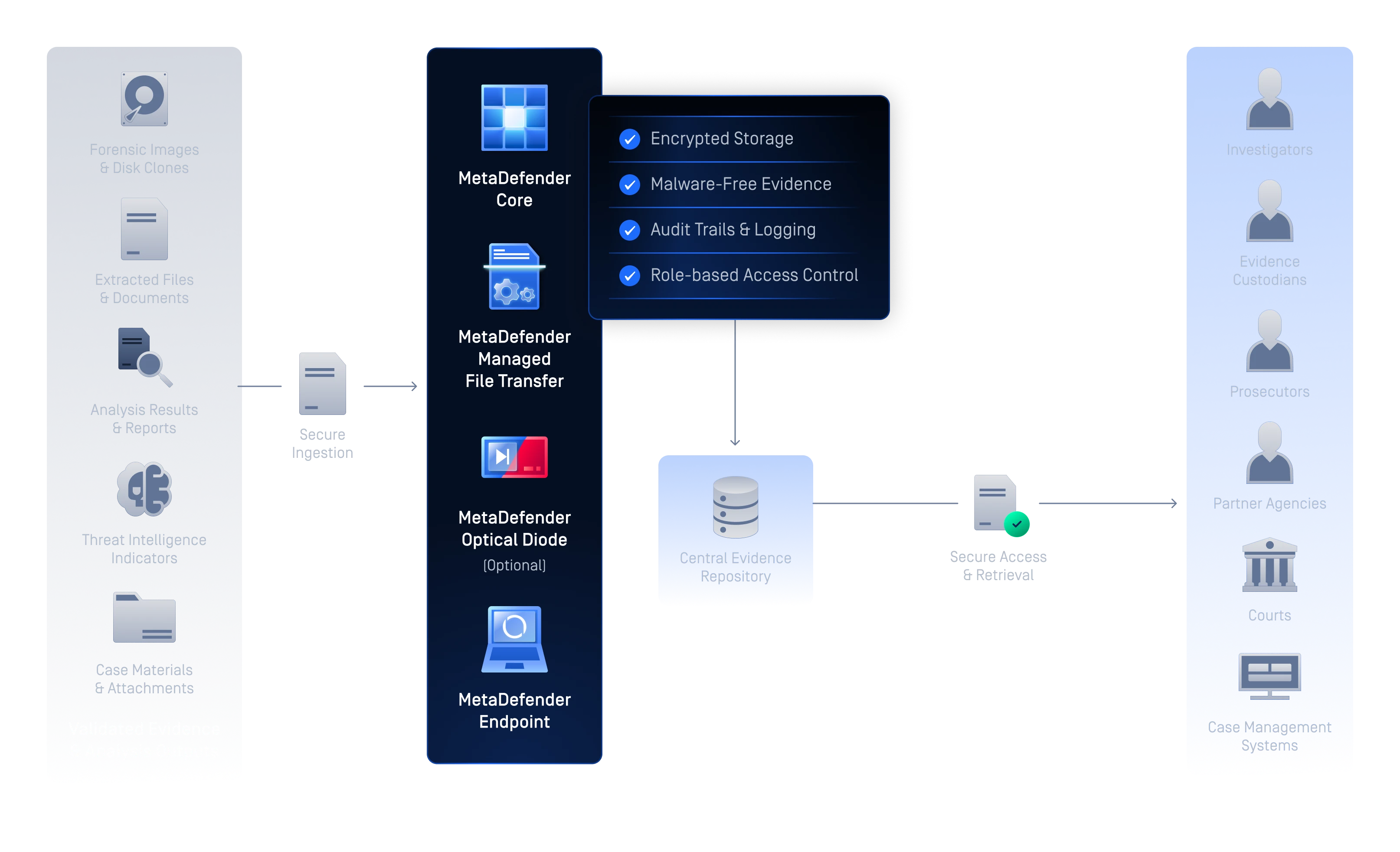
Create a controlled entry point for physical media, endpoints, field collection devices, laptops, and file uploads using MetaDefender Kiosk™, MetaDefender Drive™, MetaDefender Endpoint™, and MetaDefender Managed File Transfer.

Inspect Every File for Threats
Analyze evidence with MetaDefender Core™ using multi-AV scanning, emulation-based sandbox, behavioral analysis, AI-powered detection, file-based vulnerability assessment, deep file inspection, and AI Content Inspector to flag AI-generated images, manipulated visual evidence, and fraudulent documents before they reach investigative environments.

Sanitize Files with Deep CDR™ Technology
Remove or rebuild risky elements including macros, scripts, and embedded objects with Deep CDR™ Technology to produce clean, usable evidence files when policy allows.
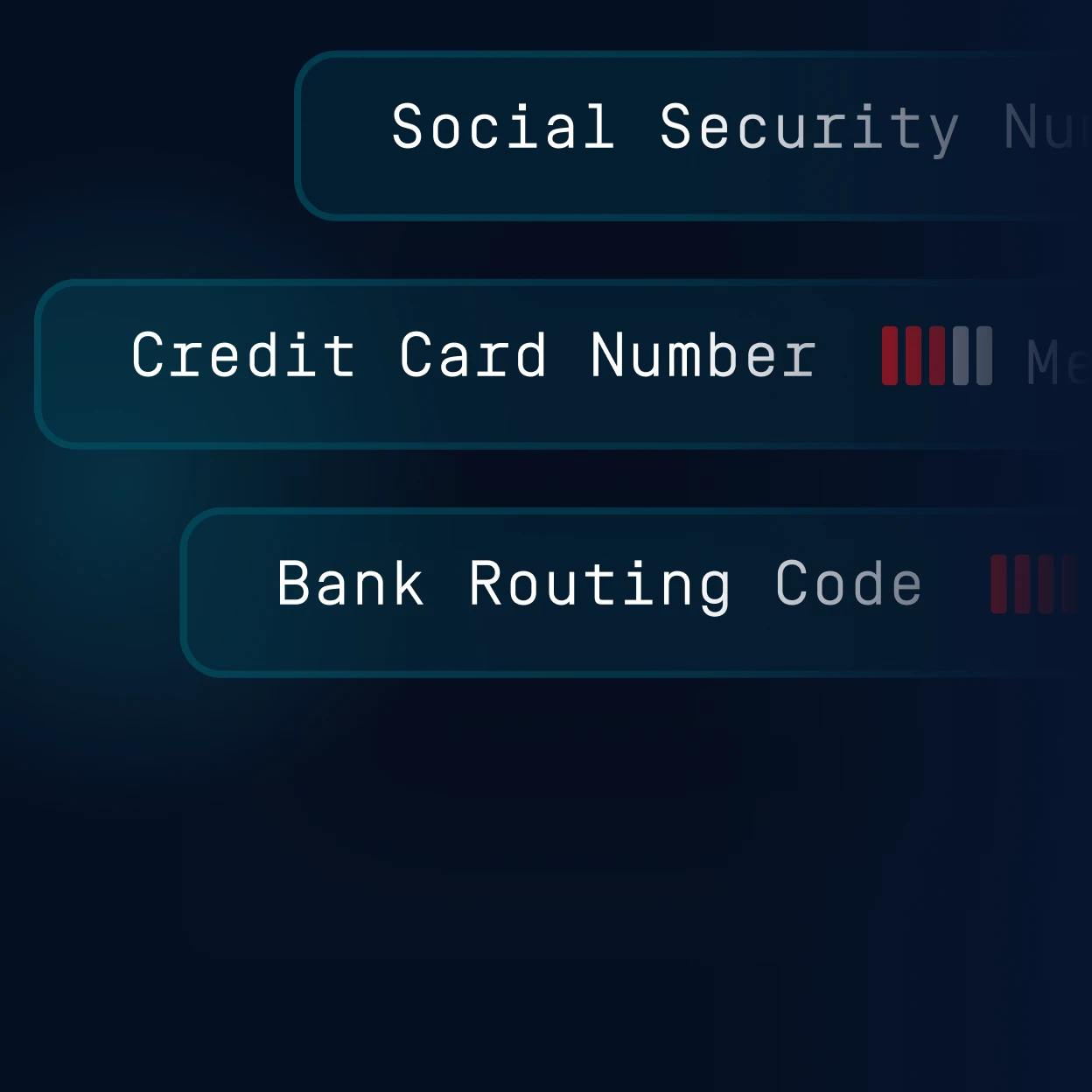
Discover Sensitive Data
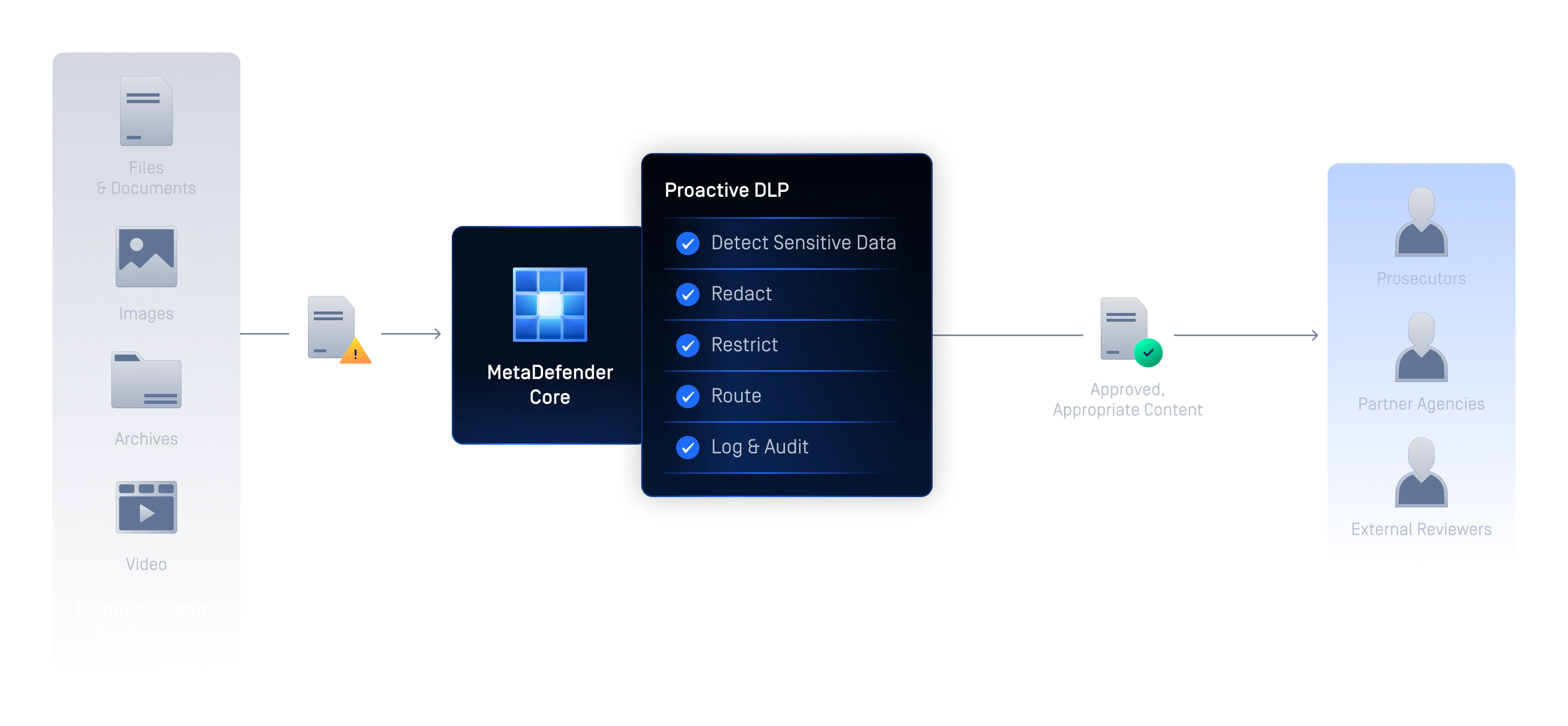
Use Proactive DLP™ to inspect documents, images, archives, and video for credit card numbers, national IDs, personal data, and confidential case information so agencies can classify, redact, route, or restrict evidence by policy.
Transfer and Deliver Evidence Securely
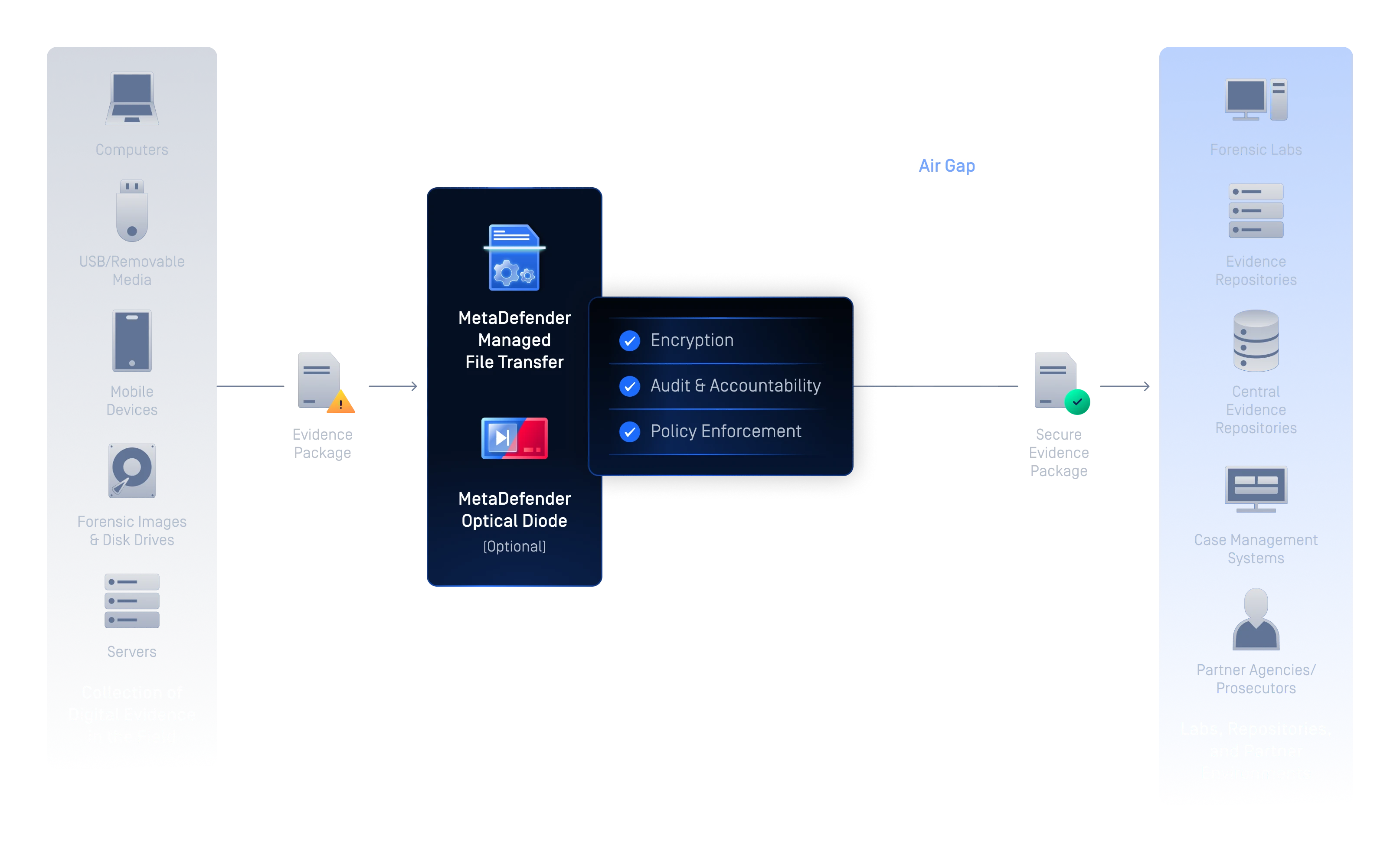
Move evidence to forensic labs, case management systems, prosecutors, partner agencies, and air-gapped repositories with encryption, approval workflows, and audit logs through MetaDefender Managed File Transfer.
One Platform Across the Entire
Evidence Workflow
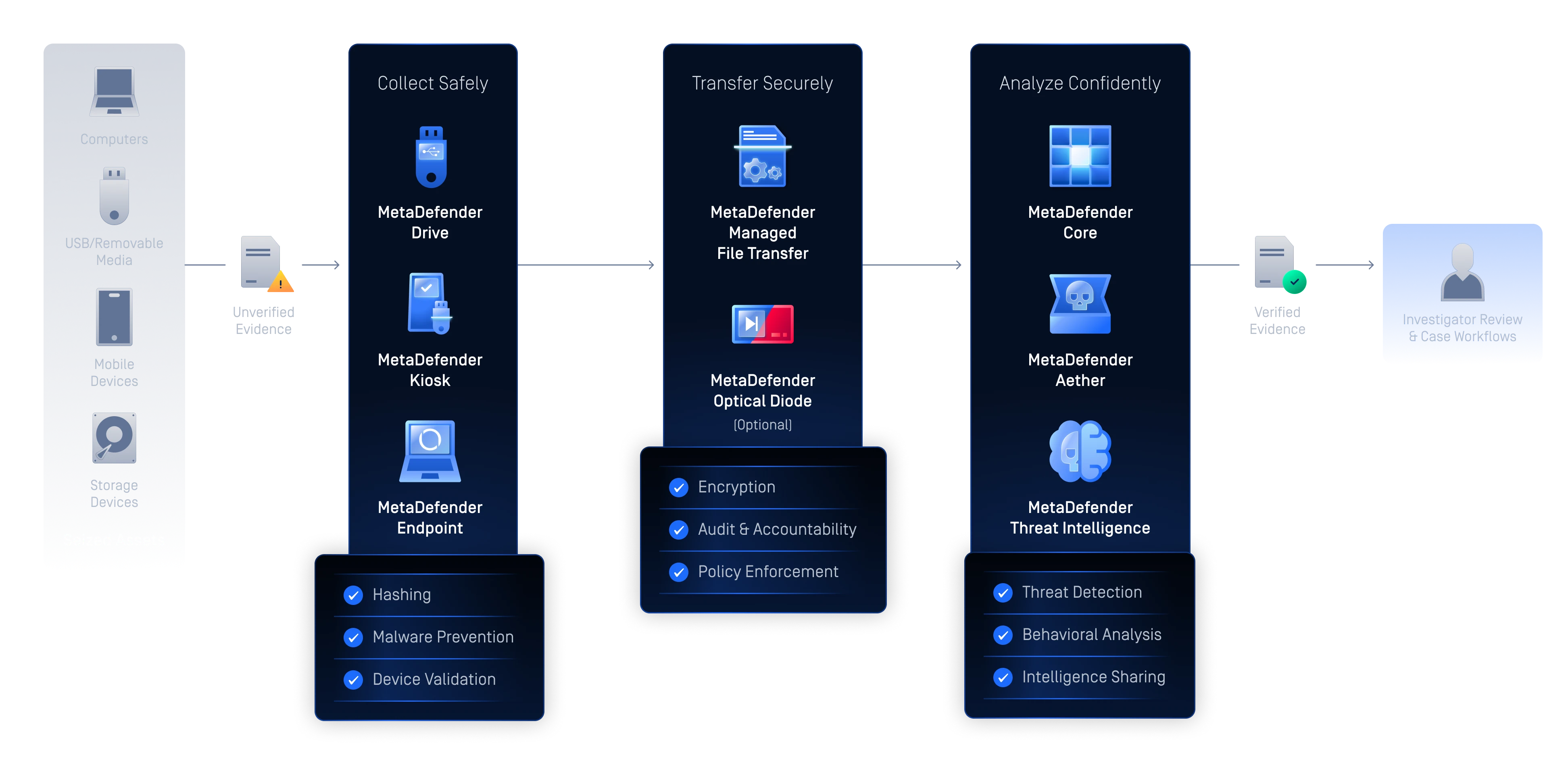
How Evidence Moves Safely, Step by Step
Follow one evidence item from controlled intake to verified delivery, inspected, sanitized, and cleared before it moves forward.
 step 1
Evidence Intake
Every item enters through one controlled checkpoint before it can touch the internal network, whether it arrives as physical media, a field device, or a secure upload.
- step 2
Threat Inspection
Each file passes through layered detection, including archive and embedded-object analysis that catches threats hidden inside containers. The rule is simple: trust no file until it has been inspected.
- step 3
Data Sanitization
Risky files are rebuilt, not just scanned, so investigators receive a clean, usable copy with file-borne threats removed.
- step 4
Sensitive Data Discovery
The same inspection surfaces sensitive content scanners often miss, including text read from inside images and video through Optical Character Recognition (OCR) and patterns matched by regular expression.
- step 5
Secure Transfer and Delivery
Cleared evidence is routed to its destination, including cloud storage and segmented networks, with policy-based routing and centralized reporting applied to every transfer.





Protect Every Investigation, From Intake
to Delivery
Remove hidden threats, protect sensitive data, and automate security across the evidence workflow, so investigators move faster and stay protected.
Secure Evidence Intake
Prevent malware from entering investigative environments during evidence collection and intake.
Deliver Clean, Usable Files
Use Deep CDR™ Technology to remove hidden threats and give investigators and prosecutors safe, usable versions of documents and media.
Detect Sensitive Content
Find regulated and sensitive data, such as credit card numbers, national IDs, personal data, and confidential case information, inside documents, images, archives, and video.
Strengthen Evidence Handling Controls
Support chain of custody processes with hashing, audit trails, secure transfer, policy enforcement, and authenticity checks that flag AI-generated or manipulated content.
Preserve Operational Continuity
Keep investigators working with evidence while reducing malware risk, so security controls protect operations instead of slowing them down.
Support Field and Lab Workflows
Bring kiosks, portable scanning, endpoint collection, and secure transfer together in one evidence workflow across field sites and forensic labs.
Streamline Investigation Workflows
Reduce manual security tasks through automated scanning, transfer, and analysis workflows.
Zero Trust
Evidence Handling
Verify device compliance and enforce security policies before systems can access sensitive evidence environments.
End-to-End
Evidence
Protection
Proven in
High-Security
Environments
Use Cases
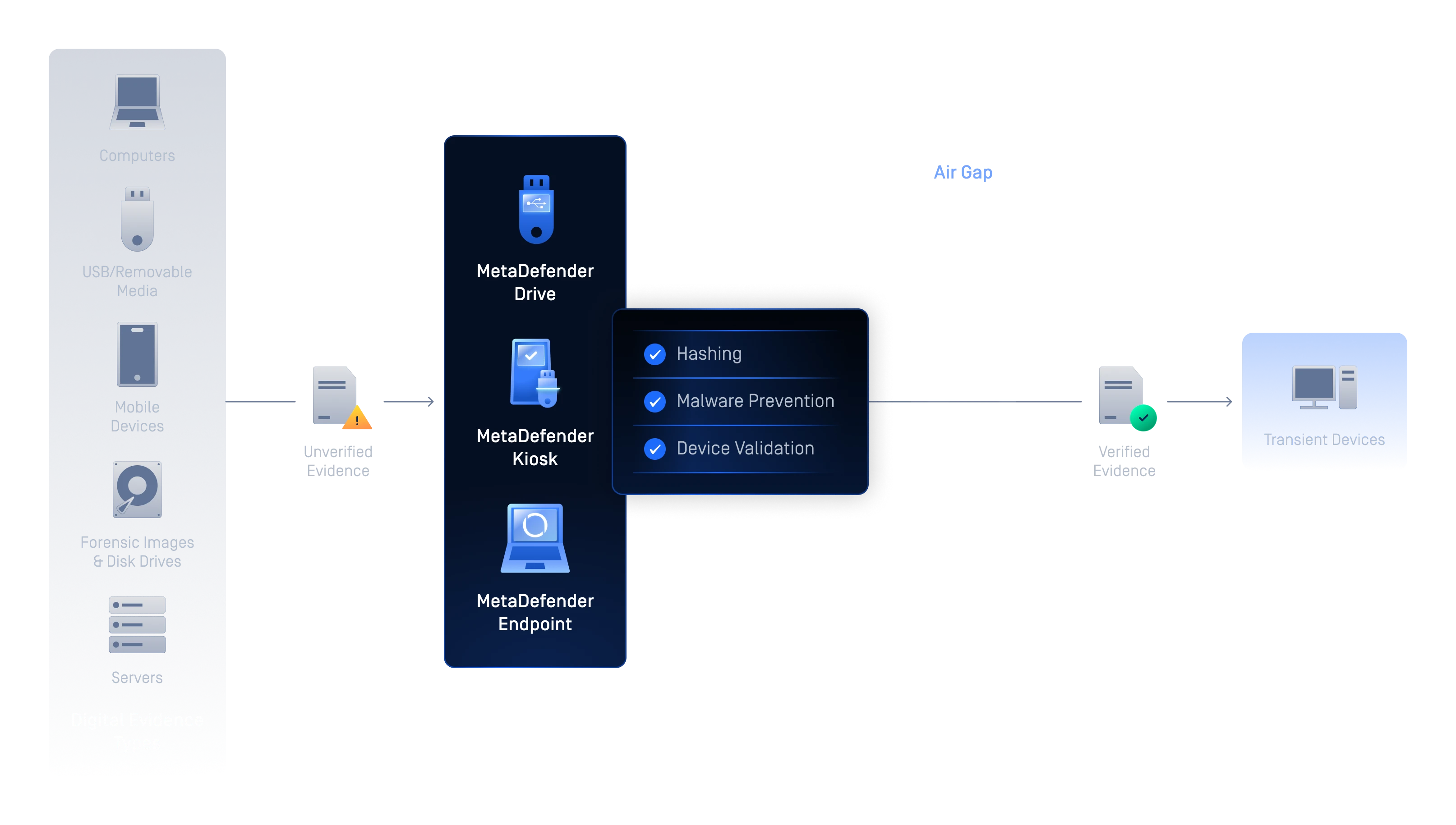
Crime Scene Evidence Collection
Investigators frequently encounter seized laptops, removable media, mobile devices, and external storage that may contain malware. OPSWAT helps teams safely access, scan, and validate evidence before it enters investigative environments.
Secure Evidence Transfer Between Locations
Digital evidence often moves between field offices, forensic labs, evidence repositories, prosecutors, and partner agencies. OPSWAT helps organizations secure these transfers with encryption, sensitive-data detection, policy enforcement, and tamper-evident audit logs, including one-way delivery into air-gapped forensic environments through a NetWall data diode.
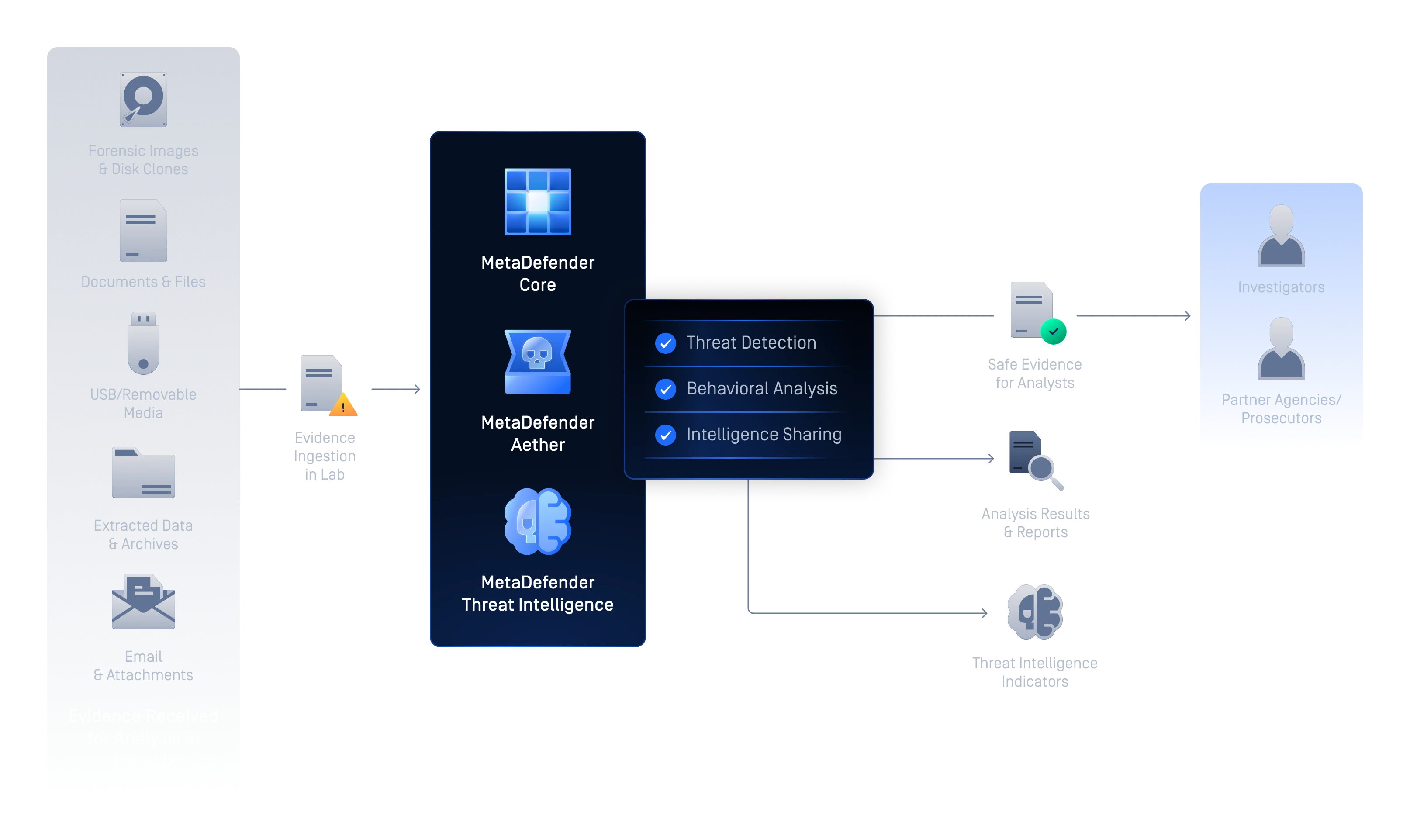
Protected Evidence Analysis in the Forensic Lab
Analyze digital evidence safely by detecting malware and hidden threats and using Deep CDR™ Technology to produce clean, usable copies before investigators and prosecutors interact with files, forensic images, or extracted evidence, so clean copies can be shared without exposing internal systems.
Secure Long-Term Evidence Storage
Protect digital evidence repositories with malware scanning, secure transfer controls, access validation, and continuous monitoring to support secure long-term storage and retrieval.
Sensitive Data Detection Before Sharing
Before evidence is shared with prosecutors, partner agencies, or external reviewers, OPSWAT scans documents, images, archives, and video for credit card numbers, national IDs, personal data, and sensitive imagery, so agencies can redact, restrict, or route regulated content first.
- Evidence Collection

Crime Scene Evidence Collection
Investigators frequently encounter seized laptops, removable media, mobile devices, and external storage that may contain malware. OPSWAT helps teams safely access, scan, and validate evidence before it enters investigative environments.
- Secure Evidence Transfer

Secure Evidence Transfer Between Locations
Digital evidence often moves between field offices, forensic labs, evidence repositories, prosecutors, and partner agencies. OPSWAT helps organizations secure these transfers with encryption, sensitive-data detection, policy enforcement, and tamper-evident audit logs, including one-way delivery into air-gapped forensic environments through a NetWall data diode.
- Protected Evidence Analysis

Protected Evidence Analysis in the Forensic Lab
Analyze digital evidence safely by detecting malware and hidden threats and using Deep CDR™ Technology to produce clean, usable copies before investigators and prosecutors interact with files, forensic images, or extracted evidence, so clean copies can be shared without exposing internal systems.
- Secure Evidence Storage
Secure Long-Term Evidence Storage
Protect digital evidence repositories with malware scanning, secure transfer controls, access validation, and continuous monitoring to support secure long-term storage and retrieval.
- Evidence Sharing

Sensitive Data Detection Before Sharing
Before evidence is shared with prosecutors, partner agencies, or external reviewers, OPSWAT scans documents, images, archives, and video for credit card numbers, national IDs, personal data, and sensitive imagery, so agencies can redact, restrict, or route regulated content first.
Connect Secure Evidence Workflows Across Your Ecosystem
Forensic & Case Workflows
Connect secure evidence scanning and transfer workflows with forensic tools, case management systems, and evidence repositories through REST APIs and ICAP.
Security Operations
Share malware detections, threat intelligence, and analysis results with SIEM, SOAR, EDR, and SOC workflows to improve visibility and response.
Threat Intelligence Sharing
Exchange threat indicators and investigation-relevant intelligence using standardized formats such as STIX and MISP to support cross-agency collaboration.
Trusted Globally to Defend What's Critical
OPSWAT is trusted by over 2,100 organizations worldwide to protect their critical data, assets, and networks from device and file-borne threats.


- “With OPSWAT’s multiscanning capabilities and emulation-based sandbox, we get both depth and speed. Files are cleared or flagged in minutes, not hours.”Cybersecurity Specialist
- A single weak link in this chain could open the door to cyberthreat with immediate and severe consequences: leaked evidence, derailed investigations, and the risk of suspects evading justice. OPSWAT technology secured data transfers while ensuring uninterrupted workflows and compliance with data privacy regulations.
- "Handling external files is a major risk for law firms. That’s why we use OPSWAT Kiosk... keeping sensitive case data secure from day one."Cybersecurity Specialist
Support Security and Evidence Handling Requirements
Get Started in 3 Simple Steps


Discuss Your Digital Evidence Workflow
Meet with our experts to review your digital evidence collection, transfer, analysis, and sharing processes. We'll help identify security gaps and recommend the right MetaDefender components for your environment.
Design the Right Solution
We work with your team to design a solution that aligns with your operational requirements, deployment model, and security policies, whether you operate connected, isolated, or fully air-gapped environments.
Deploy and Optimize
Implement the solution with guidance from OPSWAT and validate secure evidence workflows across collection, transfer, analysis, storage, and sharing. As your requirements evolve, you can expand capabilities while maintaining a consistent security posture.
Recommended Resources

Secure Forensic Investigation for Law Enforcement

Securing AI Data Pipelines and LLM-Powered Applications
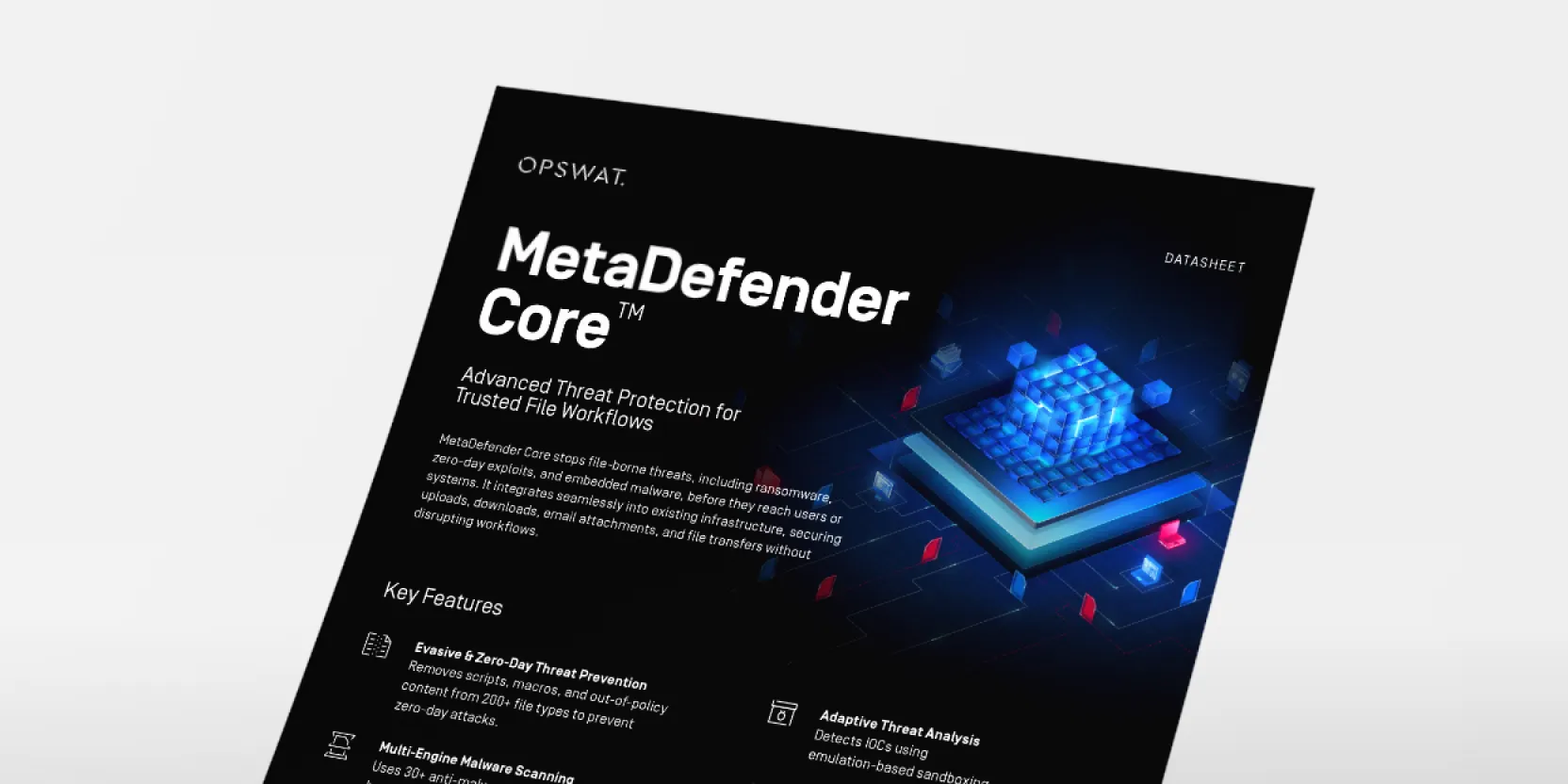
MetaDefender Core Datasheet
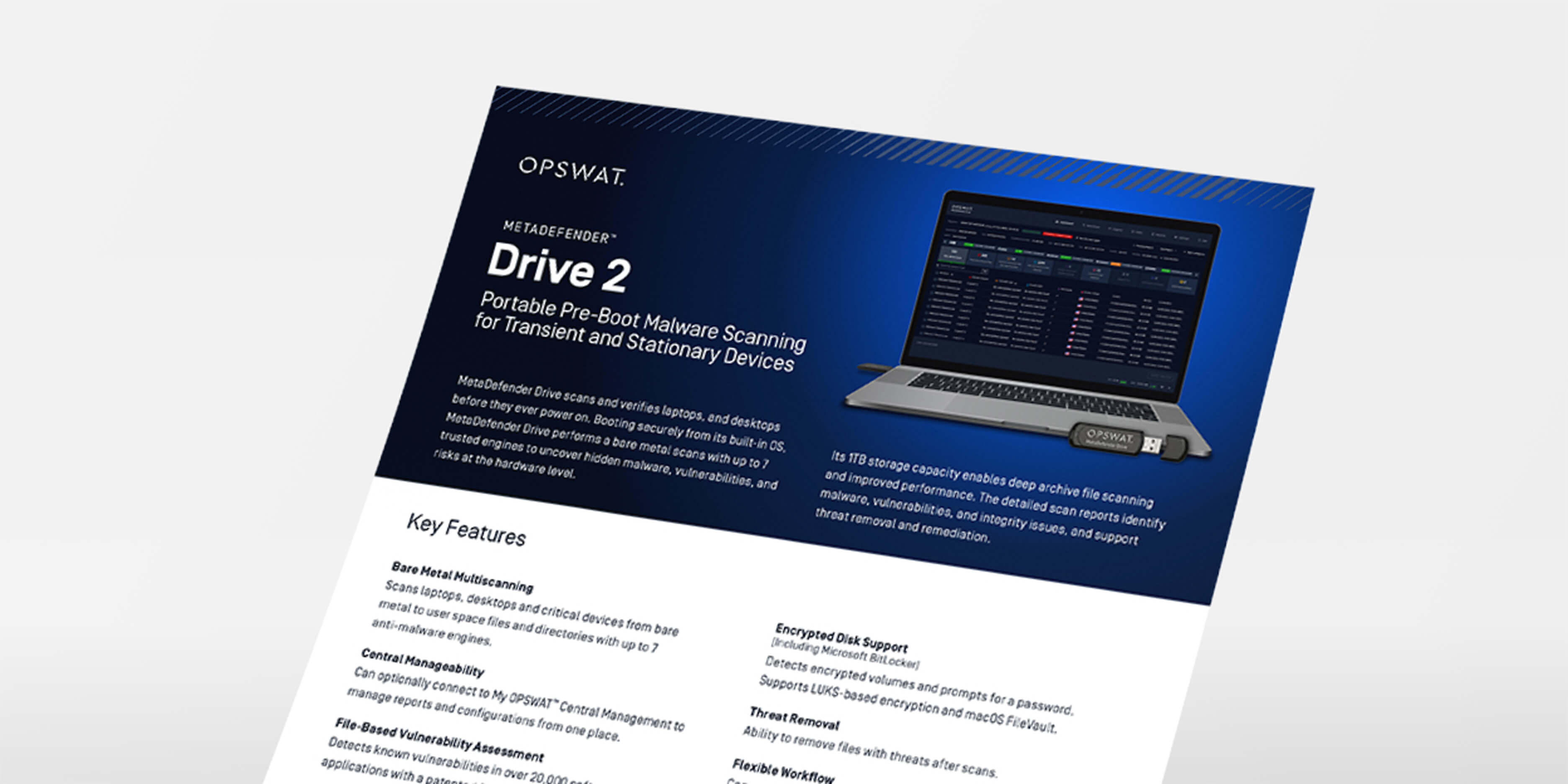
MetaDefender Drive Datasheet
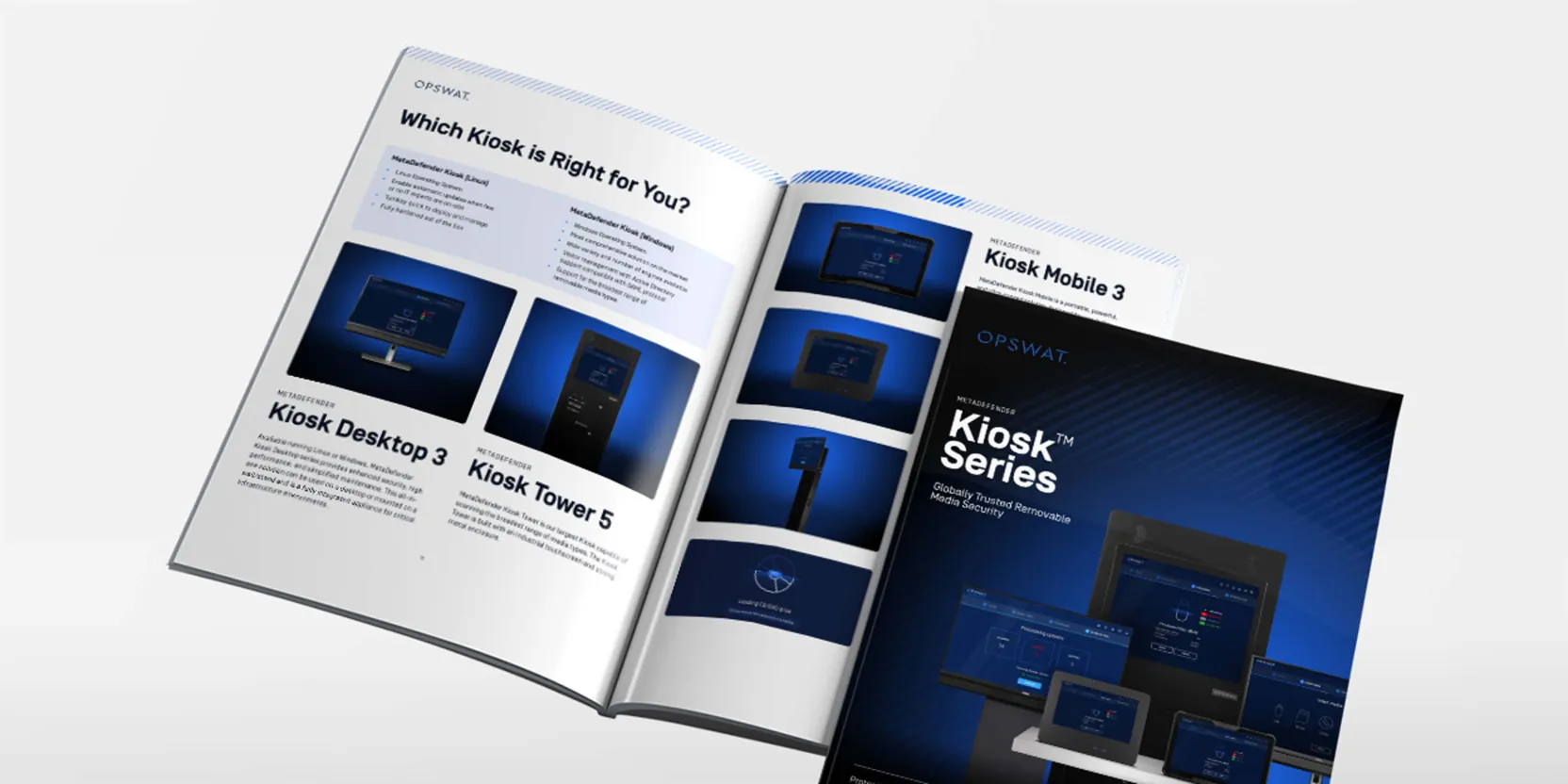
MetaDefender Kiosk Brochure
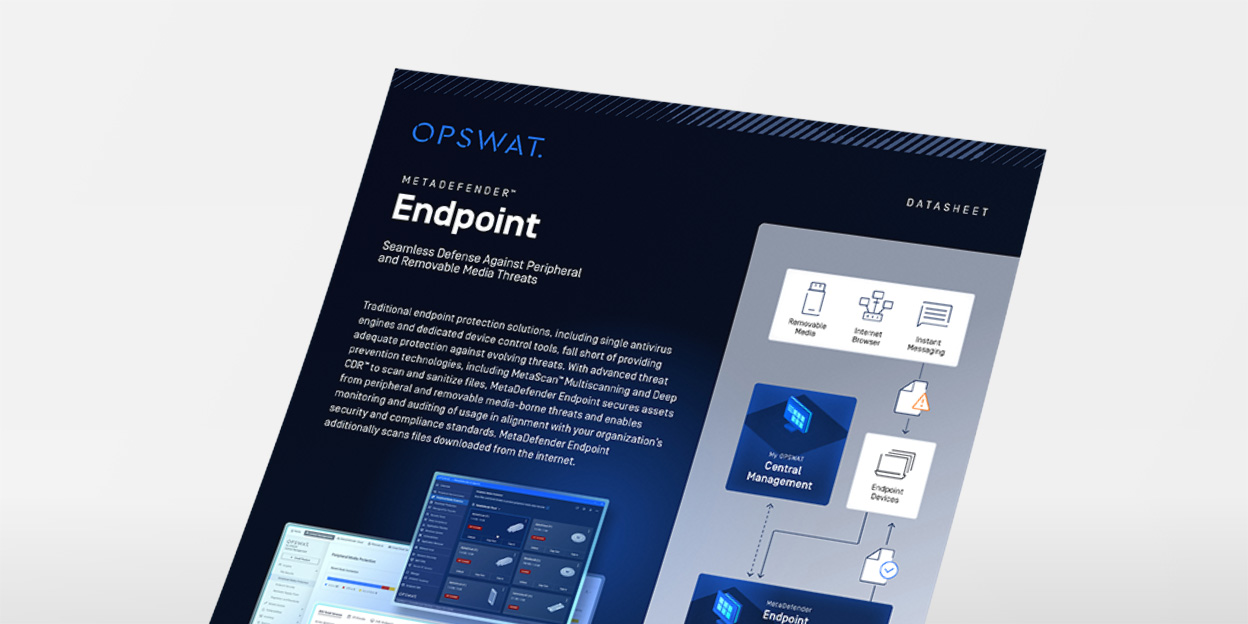
MetaDefender Endpoint Datasheet
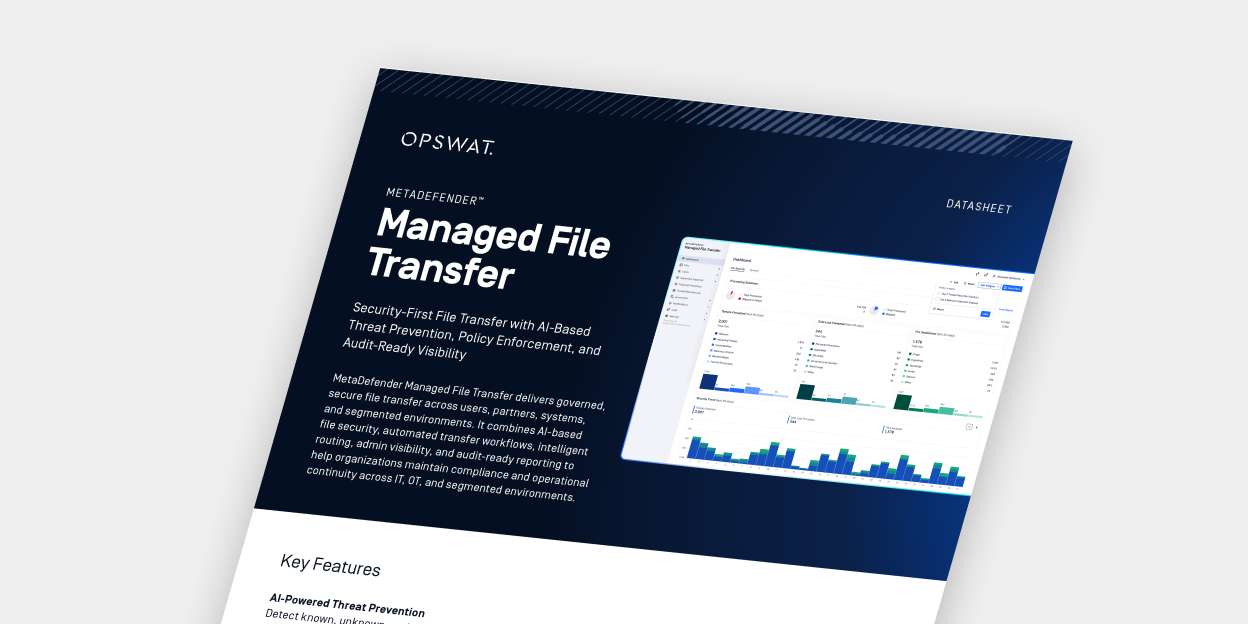
MetaDefender Managed File Transfer (MFT) Datasheet
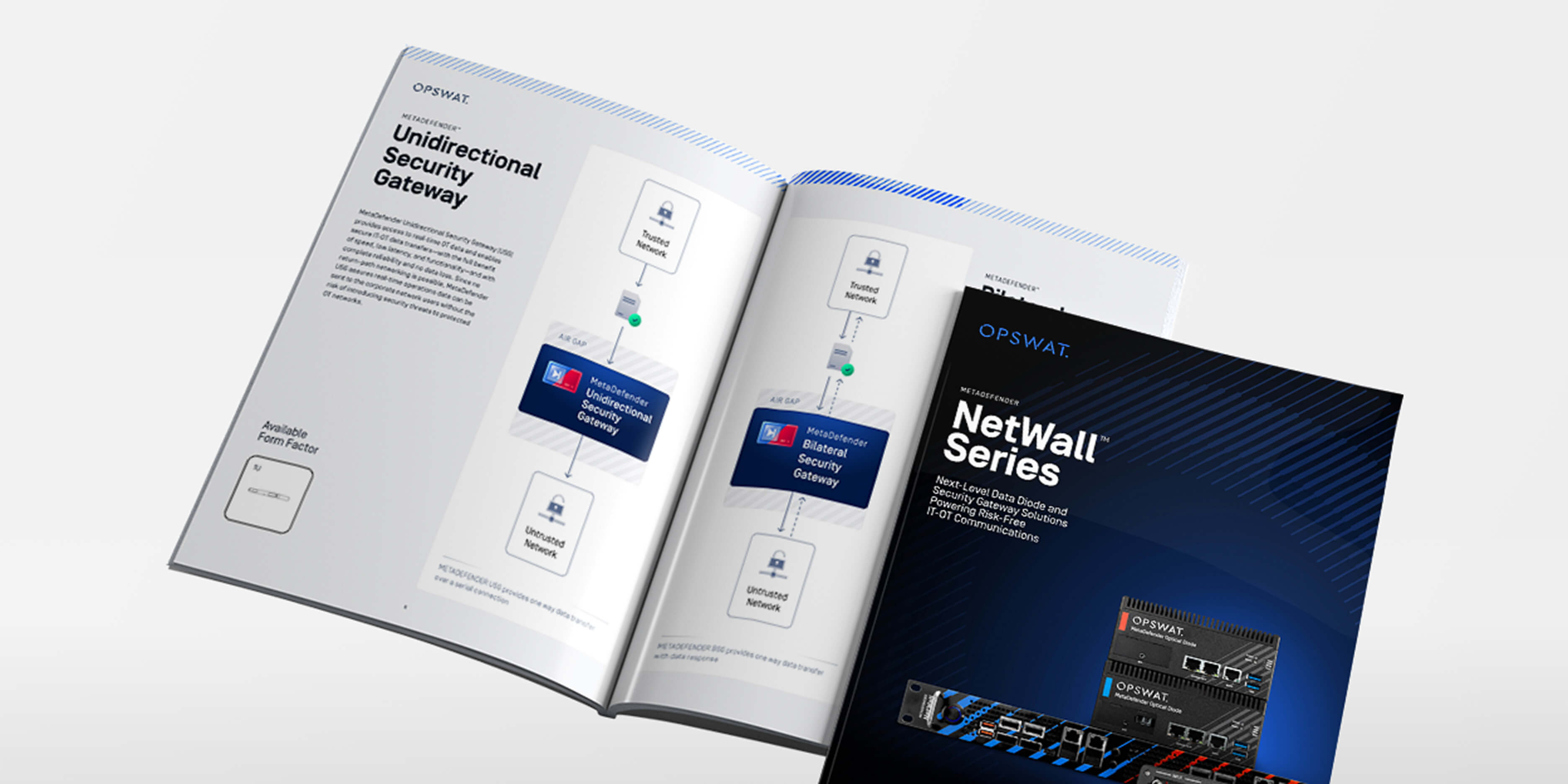
MetaDefender Netwall Series

MetaDefender Aether
0 results. Please try again.
FAQs
MetaDefender Drive boots and scans a seized computer without starting its native operating system, helping investigators assess devices before connecting them to investigative environments. MetaDefender Kiosk scans removable media at a standalone checkpoint and can apply additional security controls based on organizational policies. MetaDefender Endpoint validates device compliance before allowing access to protected systems and resources, helping prevent compromised or non-compliant devices from accessing sensitive case data.
MetaDefender Core scans forensic images, disk clones, and extracted evidence files using Metascan™ Multiscanning with more than 30 anti-malware engines. It calculates file hashes, identifies known and emerging threats, and provides additional file analysis capabilities such as hyperlink extraction before examiners begin their investigation. It can also use AI Content Inspector to flag AI-generated images, manipulate visual evidence, and fraudulent documents, helping examiners verify the authenticity of evidence.
Yes. MetaDefender Core uses Deep CDR™ Technology to remove or rebuild risky elements—macros, scripts, and embedded objects—and produce a clean, usable version of a file when policy allows. This lets investigators and prosecutors work with documents and media without exposing systems to file-borne threats.
Yes. MetaDefender Core inspects documents, images, archives, and video for sensitive information such as credit card numbers, national ID numbers, and personal data, including text inside images and video through Optical Character Recognition (OCR) and pattern matching. Agencies can then classify, redact, route, or restrict evidence based on policy before it is shared or stored.
MetaDefender Aether uses advanced sandboxing and threat intelligence capabilities to safely analyze unknown and evasive threats. By combining behavioral analysis with threat intelligence enrichment, it helps uncover hidden malicious activity, including ransomware behavior, command-and-control communications, and potential data exfiltration attempts, without exposing forensic systems to risk.
MetaDefender Managed File Transfer provides role-based access controls, encryption, and tamper-evident audit trails. MetaDefender Core calculates file hashes that can be used to verify file integrity as evidence moves between collection points, field offices, forensic labs, and repositories. Together, these capabilities support evidence handling and verification workflows.
Yes. MetaDefender Aether helps agencies investigate, enrich, and share threat intelligence derived from digital evidence. Using standardized formats such as STIX and MISP, organizations can exchange indicators, threat context, and investigation-relevant findings across teams and partner agencies. MetaDefender Aether also integrates with SIEM, SOAR, and EDR platforms to support collaboration and operational workflows.
An optional NetWall data diode provides hardware-enforced one-way transfer of evidence into a protected or air-gapped repository. This allows approved data to move into the secure environment while preventing reverse communication paths.
No. OPSWAT complements existing forensic workflows by helping organizations securely collect, transfer, analyze, and store digital evidence. The solution works alongside forensic acquisition and examination tools by providing malware prevention, secure transfer, threat analysis, and evidence protection capabilities.
Yes. The solution supports fully air-gapped deployments and is suitable for classified, disconnected, and highly secure investigative environments.
Built for High Trust Environments
Law enforcement evidence workflows require speed, control, and trust. OPSWAT helps agencies create a secure digital evidence collection system that protects the evidence, the investigators, and the infrastructure behind the mission. Secure your digital evidence workflow before contaminated data reaches your network.
