
Cybersecurity
Upside Down
By Benny Czarny, Founder & CEO of OPSWAT
Illustrated By Serge Seidlitz


Already a customer?
Request your free copy by logging into your My OPSWAT account and filling out the book request form.
Get Your Free Copy Now

Rethink Cybersecurity
Most cybersecurity strategies are built on a dangerous assumption: that threats can be detected before they cause harm. But today’s attackers are faster, stealthier, and more targeted than ever — and detection-based tools are struggling to keep up.
In Cybersecurity Upside Down, OPSWAT founder Benny Czarny challenges conventional thinking with a bold, prevention-first approach that assumes every file is suspicious and neutralizes threats before they can execute.
This isn’t just a new security technique.
It’s a fundamental shift in how we think about trust, risk, and resilience.
Not a Manual.
Not a Manifesto.
A Mindset Shift.
Cybersecurity Upside Down is part technical guide, part personal journey, and part call to action.
Author Benny Czarny shares the frustrations, failures, and insights that led to the development of prevention-first security — grounded not in theory, but in real-world constraints and adversarial reality.
This book doesn’t ask you to add more tools.
It asks you to think differently about them.
The Problem with Modern Cybersecurity
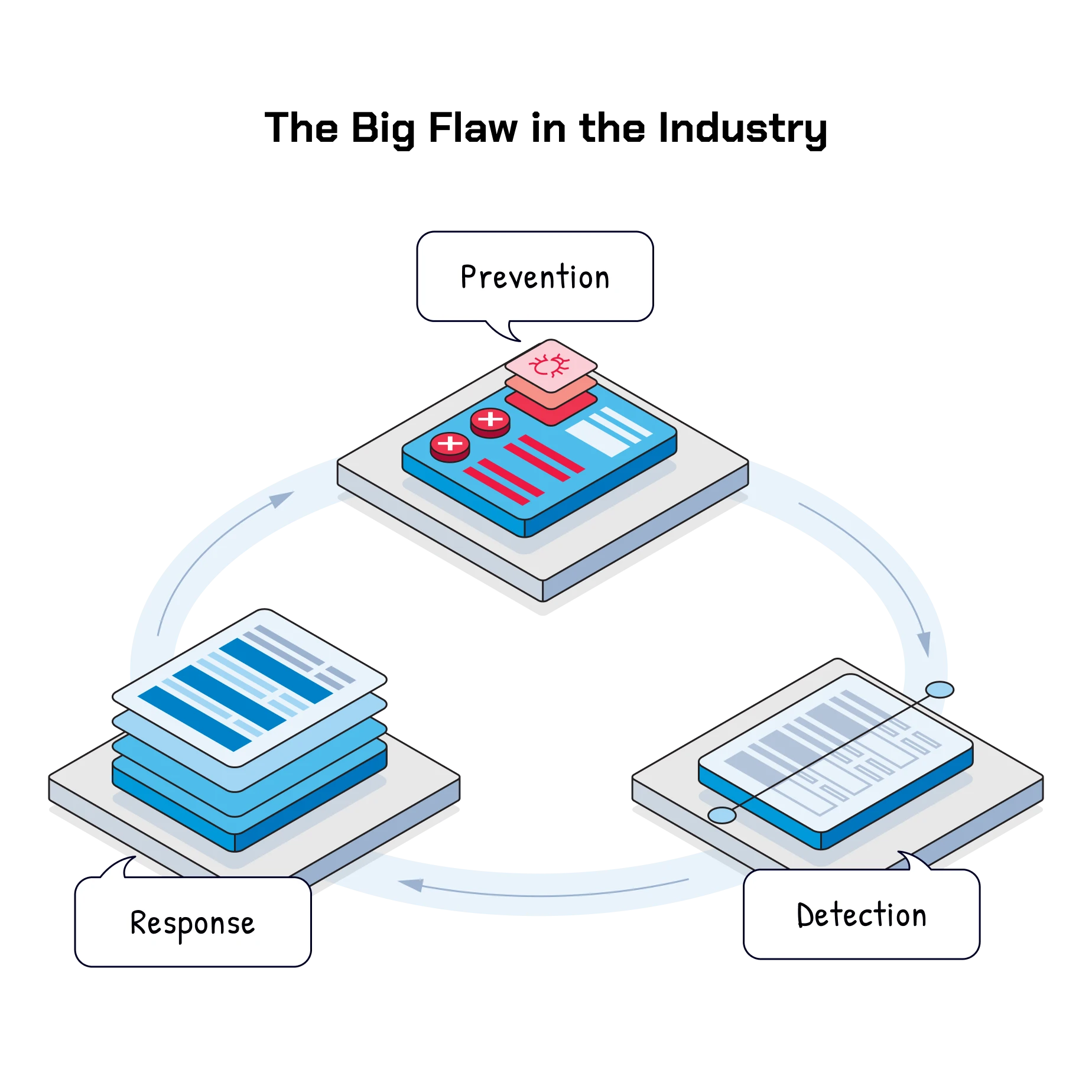
Detection has become the default strategy — signatures, heuristics, AI, EDR. But attackers don’t need to outsmart everything. They only need to succeed once.
Files remain one of the most common — and most overlooked — attack vectors in enterprise environments. Documents, PDFs, installers, email attachments, and removable media continue to deliver malware straight into trusted systems.
Cybersecurity Upside Down explains why detection alone will always be reactive — and why prevention must come first.
What You’ll Learn
- Why signature-based and AI-driven detection consistently fails against modern threats
- How file-based attacks bypass traditional defenses every day
- What file sanitization and CDR (Content Disarm and Reconstruction) really are — and why they work
- How assuming every file is malicious leads to simpler, safer security
- Real-world lessons from securing critical infrastructure and high-risk environments
- How to rethink trust without slowing business operations
Don’t Detect Malware.
Remove the Possibility of It.
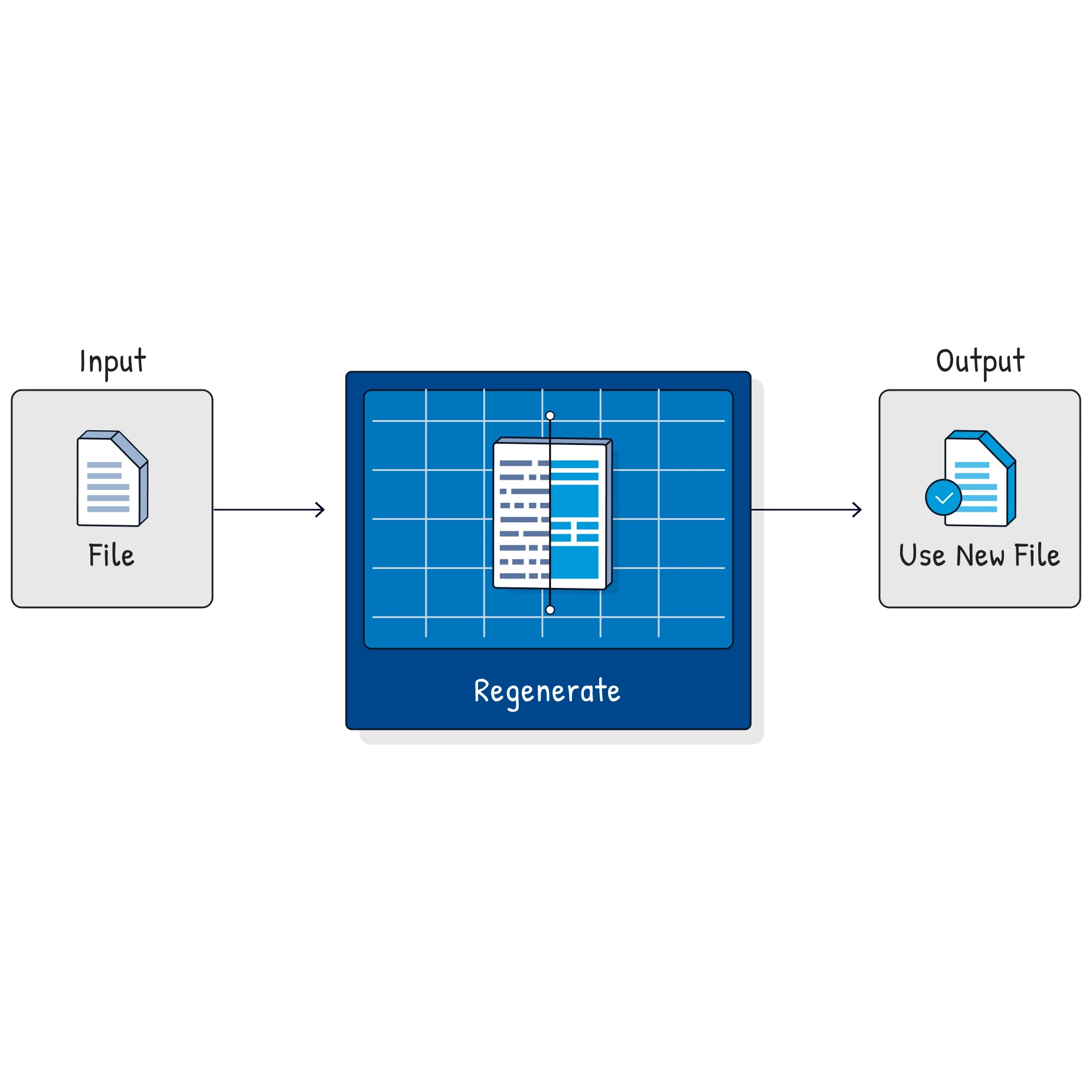
File sanitization flips the security model upside down.
Instead of trying to identify malicious intent, it removes all active content and reconstructs files into safe, usable versions — eliminating both known and unknown threats in the process.
No signatures.
No guesswork.
No waiting for detection to fail.
Clean files — every time.


About the Author
Benny Czarny
Benny Czarny is the Founder and CEO of OPSWAT, a global cybersecurity company focused on protecting the world’s most critical infrastructure.
For over two decades, Benny has worked closely with governments, enterprises, and security teams to address the growing gap between cybersecurity theory and real-world attacks. His work on file sanitization and prevention-first security has influenced how organizations think about trust, data movement, and risk.
Cybersecurity Upside Down is his first book — and a culmination of lessons learned while challenging some of the most deeply held assumptions in cybersecurity.

About the Illustrator
Serge Seidlitz
Serge Seidlitz is a London-based illustrator and visual storyteller whose work spans character design, hand-drawn typography, maps, infographics, and large-scale narrative scenes.
His illustrations have appeared across a wide range of media, including newspapers and magazines, book covers, billboards, television advertising, social campaigns, product packaging, and large-format installations. He regularly collaborates with animators to bring static illustrations to life, and his work often bridges the gap between complex ideas and clear visual communication.
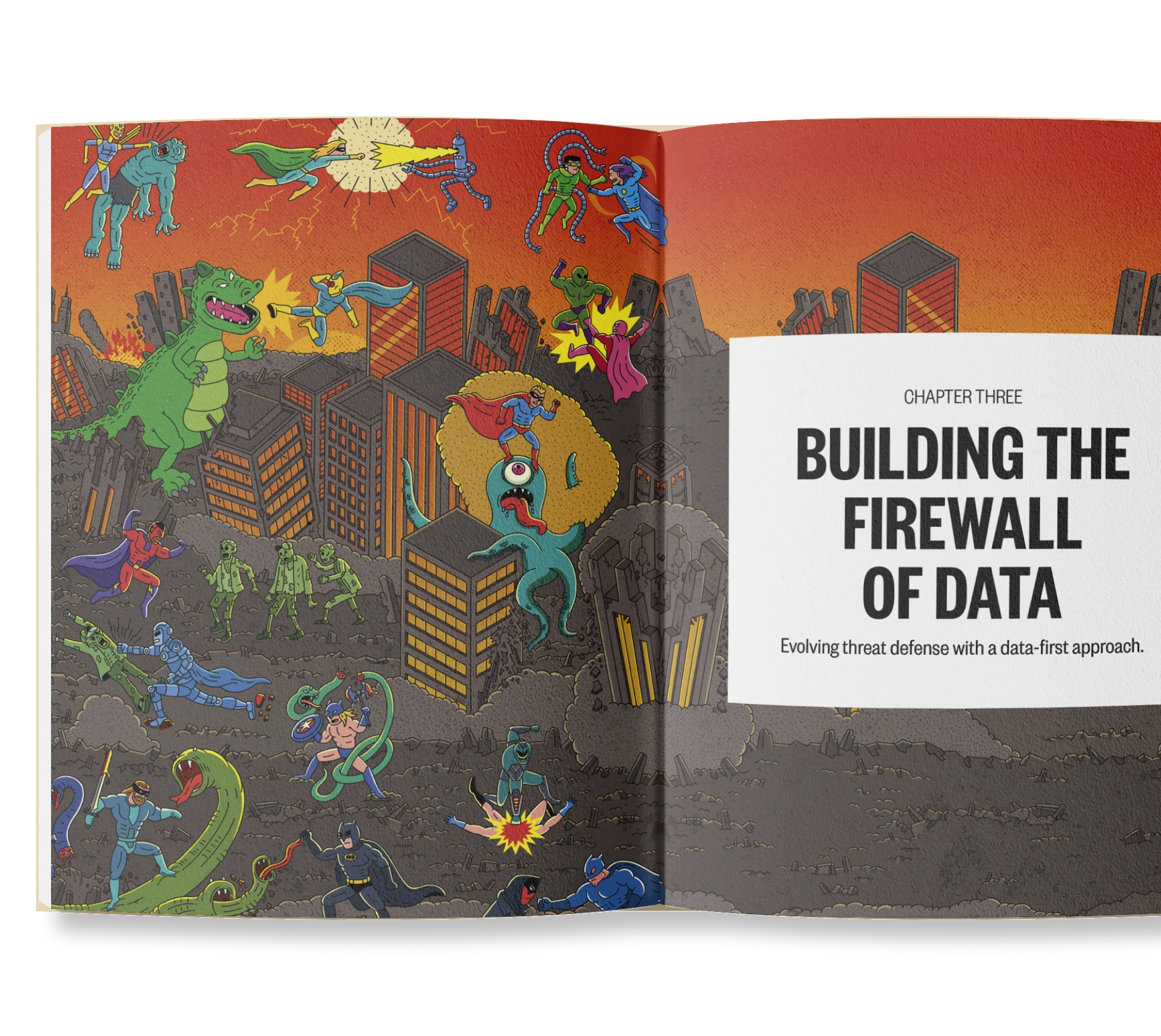
For Cybersecurity Upside Down, Serge translated abstract cybersecurity concepts into visual metaphors that reinforce the book’s central theme—challenging perspective, rethinking assumptions, and seeing familiar problems in entirely new ways.

FAQS
Cybersecurity Upside Down explains technical concepts, but it is not written like a textbook or product manual. The book is designed to be accessible to both technical and non-technical readers, focusing on clear explanations, real-world examples, and first-principles thinking rather than deep code-level detail.
This book is for:
- Cybersecurity professionals and architects
- CISOs, CIOs, and executive decision-makers
- Government and critical infrastructure leaders
- Security-aware business leaders and risk owners
- Students and anyone seeking a deeper understanding of modern cyber risk
If you’re responsible for protecting systems, data, or operations—or approving the strategies that do—this book was written with you in mind.
No. While experienced security professionals will recognize many of the challenges discussed, the book is written so that motivated readers without a formal cybersecurity background can still follow and gain value.
Complex ideas are explained in plain language, without assuming prior expertise.
No. Cybersecurity Upside Down is not a product guide or sales book. It focuses on security philosophy, threat realities, and strategic thinking rather than specific tools or vendors.
While the ideas explored are informed by real-world experience, the goal of the book is to challenge assumptions and spark better conversations about prevention—not to promote software.
File sanitization—sometimes called CDR (Content Disarm and Reconstruction)—is a prevention-first security approach that assumes all files may be dangerous.
Instead of trying to detect malware, it removes all active or potentially malicious content from a file and reconstructs it into a safe, functional version. This eliminates both known and unknown threats before they can execute.
The book explains this concept in depth and explores why it is increasingly critical in modern environments.
Traditional security tools rely on detection—signatures, heuristics, or behavioral analysis—to identify malicious activity after a file is introduced into an environment.
Cybersecurity Upside Down argues that this reactive model is fundamentally flawed. File sanitization removes the attack surface entirely, reducing reliance on detection and shrinking the window of risk.
The book explains why prevention must come before detection—not instead of it.
Yes. In fact, it may be most valuable if your organization already has a mature security stack.
The book does not suggest replacing existing tools, but rather rethinking where prevention fits in the security model—and why relying solely on detection leaves blind spots that attackers exploit.
Both. While many examples are drawn from high-risk environments such as critical infrastructure, government, and regulated industries, the core principles apply to any organization that handles files, data, or digital workflows—which today means nearly everyone.
It’s both—without being prescriptive.
The book provides strategic insight into why current security models are failing, while also explaining practical concepts and approaches that can be applied in real environments. It’s meant to influence how you think before it influences what you deploy.
Great question. Because many of today’s security strategies are built backwards, focused on detection after exposure, rather than prevention before execution.
The title reflects the idea that securing systems effectively requires flipping long-held assumptions and starting from a different point of view.
You’ll gain:
- A clearer understanding of why modern attacks succeed
- A new perspective on trust, files, and risk
- A prevention-first mental model you can apply immediately
- A stronger foundation for evaluating cybersecurity strategies and claims
Most importantly... you’ll think differently about what it really means to be secure.
