New features empower security teams by providing greater insight into raw intelligence to understand adversaries better and respond to threats.
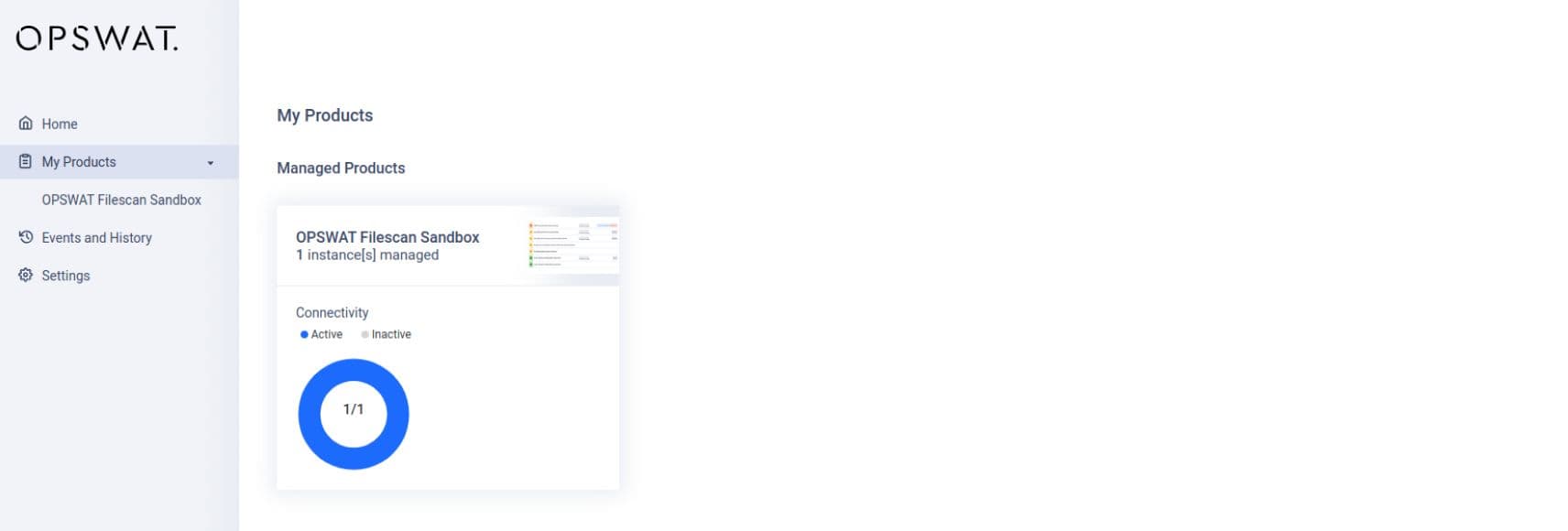
In the latest update of MetaDefender Aether, we seamlessly integrated with My OPSWAT (OCM) to improve user experience and streamline license management and health status monitoring.It will also allow the ability to track and manage multiple OPSWAT products from one location. From a centralized console, you can perform global operations such as view managed anti-malware engines, manage virus definition and engine updates, and check licensing status.
My OPSWAT Integration
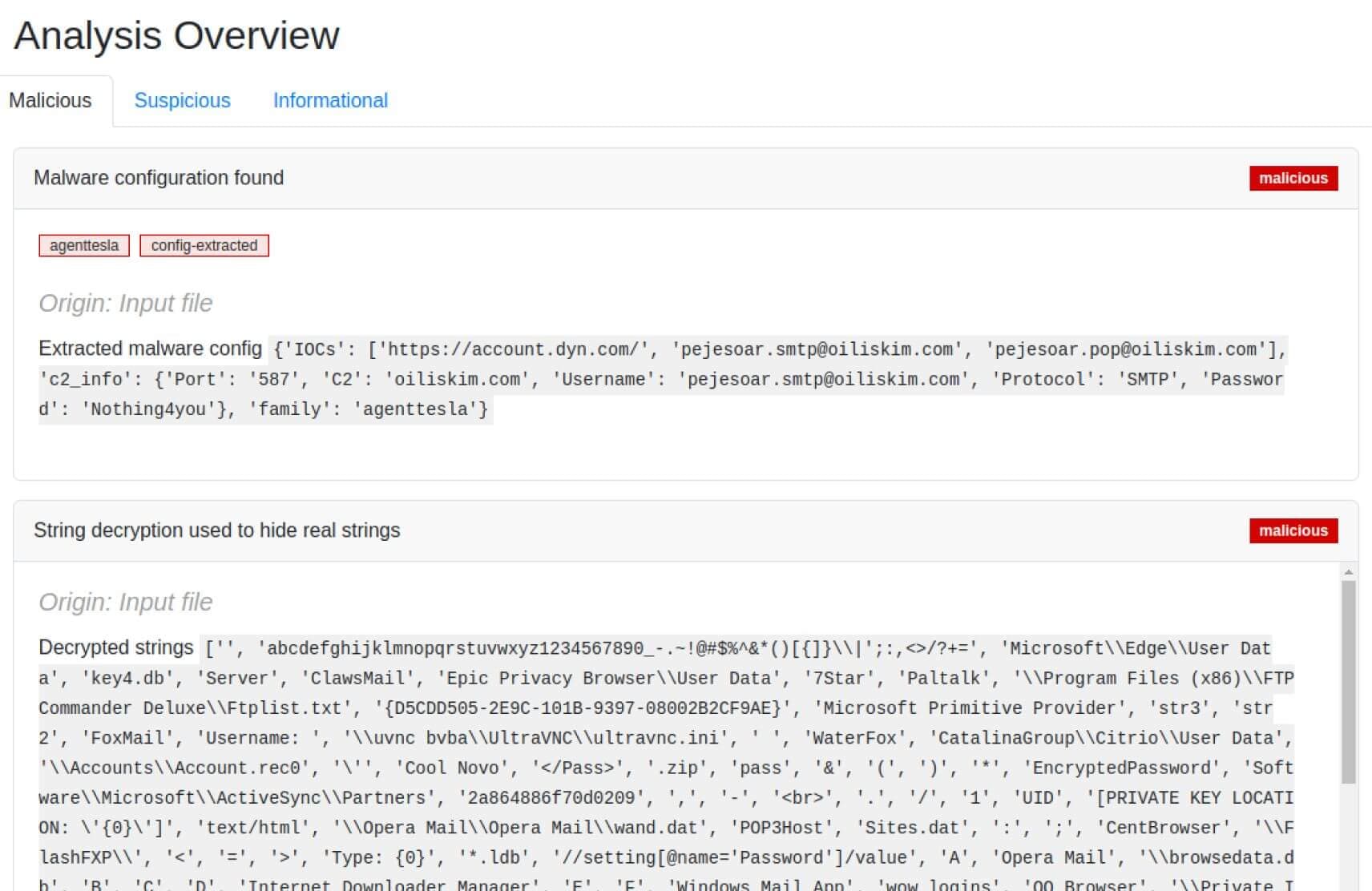
Enhanced Malware Configuration Extractors Now Cover the Latest and Most Critical Threats
Additional improvements:
- Integrated My OPSWAT (OCM) into the Web UI: OCM registration
- Enabled support for all file types when generating an executive summary using OpenAI’s GPT large language model (LLM): ChatGPT (Executive Summary)
- Automatic email notifications with the original email sender when scanning .eml files: Email Notifications
- Showcased top malware families in the Trends page
- Identified clickable and non-clickable URLs from documents for more fine-tuned detection
- Implemented disassembly of relevant functions in 64-bit executables
- Implemented a parser for .ics files (vCalendar), including the extraction of attached files
- Extended support for JavaScript emulation in Adobe PDF files
See the full list of 1.9.1 updates and additional features: https://www.opswat.com/docs/filescan/release-notes
MetaDefender Aether Key Features
MetaDefender Aether's adaptive threat analysis detonates and extracts indicators of compromise (IOCs) from evasive and zero-day malware.

Processes a high volume of files and URLs to find a wide variety of threats.

Focuses on quality and quantity of actionable indicators of compromise (IOC) for incident response.

Enables targeted attack detection bypassing anti-analysis tricks (e.g., geofencing).

Analyzes threats efficiently with a massive Reputation API.

Leverages cutting-edge machine learning to identify unknown threatsin similar files.