With the rise in cyber-attacks against critical infrastructures, various organizations are seeking out several methods to prevent the infiltration and spread of malware in their security infrastructure. One very well-known virus is still found to be attacking these infrastructures, and seems to be infecting these facilities the same methodical way as before.
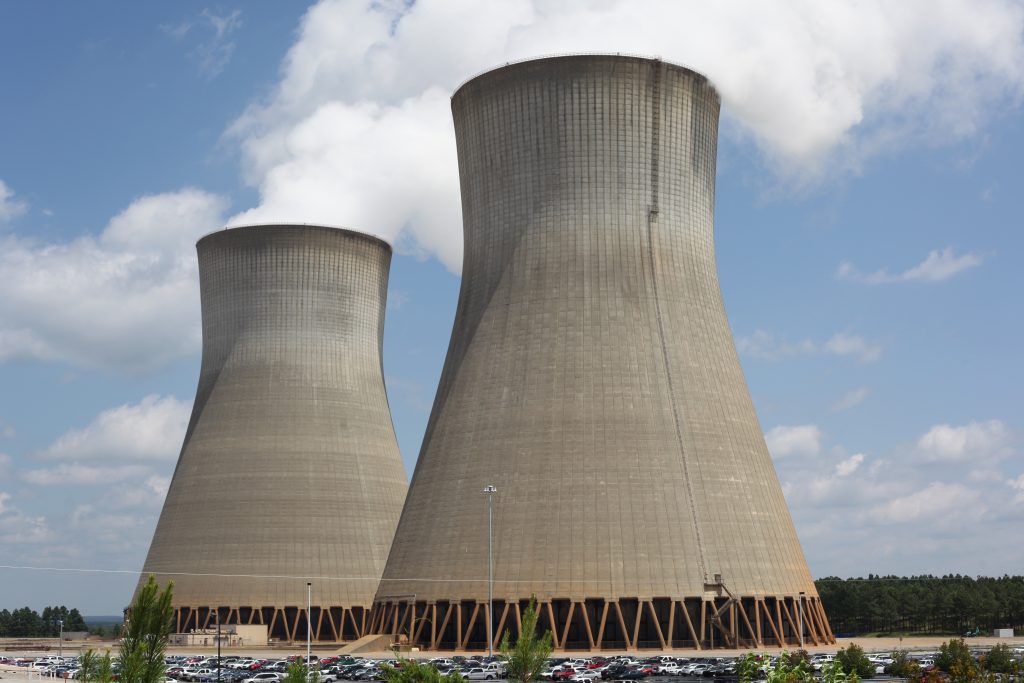
One of the premiere names in the IT industry, Eugene Kaspersky, recently revealed to the Canberra Press Club that the Stuxnet virus infiltrated and infected a Russian nuclear power plant. While the extent of the damages to the plant's security network is unknown, this event does show that the Stuxnet virus, which made headlines in 2010 by targeting Iran's nuclear facilities, is still targeting critical infrastructures and circulating via USB drives.
Organizations that seek maximum security, such as nuclear facilities, banks or military organizations have taken extreme measures to prevent the intrusion of malware into their security network via USB drive. Some of these solutions include disallowing the introduction of USB drives entirely, enlisting an allowlisting mechanism to only allow certain files, and transferring a file on the suspected peripheral device to a known clean USB drive to be scanned for malware. The challenge with these solutions, specifically banning USB drives or other peripheral devices is that it can reduce productivity and become too strict of regulations that could alienate a large percentage of users who carry their media files on their USB thumb drive.
For companies that still want to allow USB devices but prevent users with malicious intent from infecting an organization's security infrastructure, a security solution available is OPSWAT's MetaDefender. MetaDefender enables network administrators and IT professionals with comprehensive control over the data workflow in and out of an organization by scanning each peripheral device with multiple antivirus engines. MetaDefender also provides detailed security policies, so network administrators could set-up a specific authentication process for a user, and create certain filters such as limiting the file size or disallowing certain file type extensions.
Cyber-attacks against Iran and the Russian nuclear facility show that no organization or infrastructure is entirely safe from acts of cyber espionage. While it may be an on-going battle to combat the intrusion of malware, situations like these show the true value in taking extra precautionary measures to protect a company's security network.
For more information about MetaDefender, visit our product page. For sales inquiries, please visit our Contact Us page.