We'd Like To Learn From Your Experience
If you are open to it, let's compare approaches, validate coverage across key pathways, and share optimization ideas that support reliability at scale.
Learn More about Benny Czarny's Book Cybersecurity Upside Down
Effective ICS/OT security depends on consistent controls in a few critical areas: how devices connect, how files enter the environment, and how data moves between zones. The OPSWAT ICS/OT Security Readiness Assessment helps you validate whether those controls are defined, implemented, and operating as intended.
This assessment provides a quick baseline of your current posture and highlights gaps across four high-impact areas:
Answer 10 quick questions to receive practical, prioritized recommendations aligned to your security goals and operational constraints.
Thank you for completing the assessment. Complete the form to view the full summary and recommendations.
Included in your results:
Your responses reflect a mature ICS/OT security program. You have the right controls in the right places across the pathways that matter most: how devices connect, how files and media enter the environment, and how data moves between zones. That level of coverage, applied consistently, is what differentiates a resilient program.
From here, the priority is maintaining what works at scale. Minimize exceptions, keep execution consistent across sites and vendors, and validate coverage with evidence you can stand behind as the environment and threat landscape evolve.
Core protections are in place, but execution is not yet uniform across the pathways that introduce the most day-to-day risk, especially portable media, vendor devices, and file transfers into OT. Moving from Maturing to Leading usually comes down to consistency: the same workflow, the same inspection depth, and the same outcomes across sites and teams.
Prioritize the areas where exceptions occur most often: removable media handling, vendor and transient device intake, and applying consistent scanning and sanitization to transferred files. When these workflows are standardized and enforced, maturity accelerates quickly.
Core protections are in place, and your program is operating at a mature level. The step from Maturing to Leading is usually about data movement: making zone-to-zone pathways predictable, tightly governed, and provable.
If one-way transfer, segmentation, or cross-zone validation is only partially implemented, it creates exceptions that are hard to defend over time. Focus on enforcing the intended architecture, eliminating workarounds, and validating that controls remain effective as operational demands change.
You have foundational controls in place, but they are not yet enforced the same way across all sites, teams, and workflows. The biggest exposure typically comes from normal operational activity: vendor laptops connecting for maintenance, removable media used under time pressure, and files moving into engineering and production zones through informal transfer paths.
At this stage, maturity improves fastest when you make the approved process the easiest process. Standardize how devices connect and how files enter OT, add inspection and policy enforcement where work actually happens, and eliminate routine exceptions that turn into permanent bypass.
Critical controls governing how devices connect, how files are introduced into OT, and how information moves between zones are missing or applied inconsistently. Under these conditions, normal work becomes the most likely entry path: vendor laptops, removable media, engineering updates, and informal cross-zone transfers can introduce malicious content and allow rapid spread across OT systems.
The fastest risk reduction comes from tightening the “front door” to OT and making safe handling repeatable. Standardize device and file inspection before OT access, enforce endpoint policy where devices connect and media is used, and restrict transfers between zones to approved, logged pathways with clear exception handling. These steps reduce exposure quickly without requiring a full architecture redesign.
Standardize inspection and transfer workflows across sites, teams, and third parties to minimize exceptions
Validate coverage for file and device entry paths, including removable media and vendor access
Use reporting and periodic reviews to confirm enforcement and maintain audit-ready evidence
Extend scanning and sanitization to cover all inbound files and removable media, with consistent inspection depth
Standardize vendor and transient device intake so third-party workflows do not bypass controls
Use reporting and periodic reviews to validate enforcement and reduce exceptions over time
Enforce governed zone-to-zone flows, using one-way transfer where separation requirements are strict
Reduce architectural exceptions by removing ad hoc pathways and standardizing approved transfer routes
Validate cross-zone activity with monitoring and evidence so enforcement can be demonstrated consistently
Require scanning and validation for vendor devices and removable media before OT access
Apply multi-scanning and file sanitization for inbound files and engineering transfers
Block unmanaged devices and constrain removable media behavior at OT endpoints and engineering workstations
Use approvals, logging, traceability, and expiration for any deviation from the standard workflow
Once workflows are consistent, strengthen enforcement between zones with dedicated transfer controls
Enforce a single process for vendor devices, removable media, and delivered files before OT use
Allow transfers only through approved pathways; use one-way transfer where risk and criticality require it
Block unmanaged devices and apply removable media policy on OT endpoints and engineering workstations
Require approvals, logging, traceability, compensating controls, and time-bound expiration for any deviation





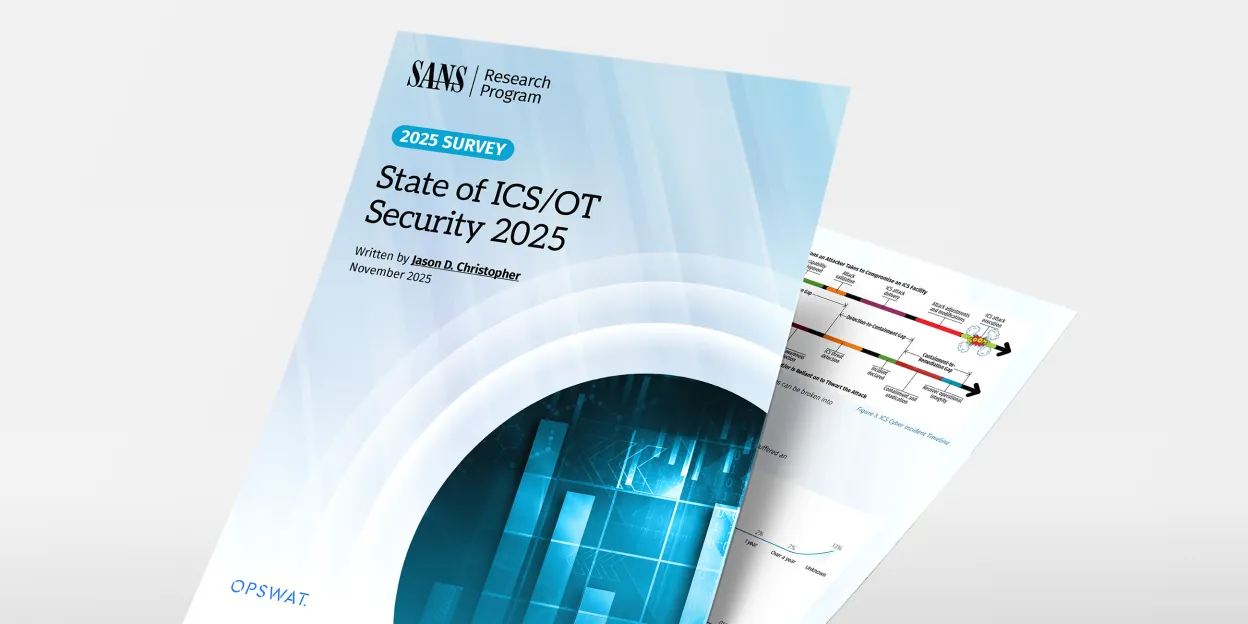








Recommended Solutions
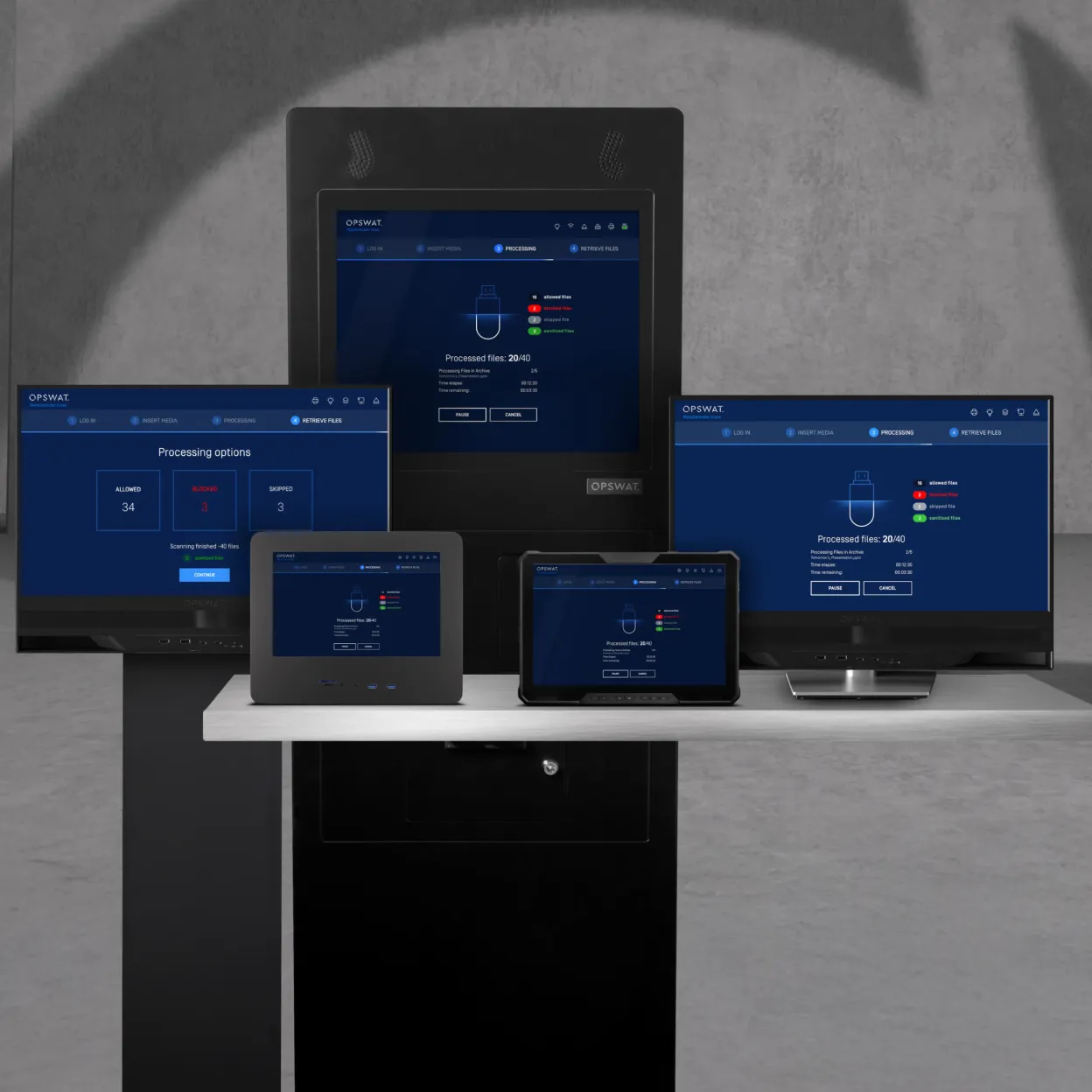
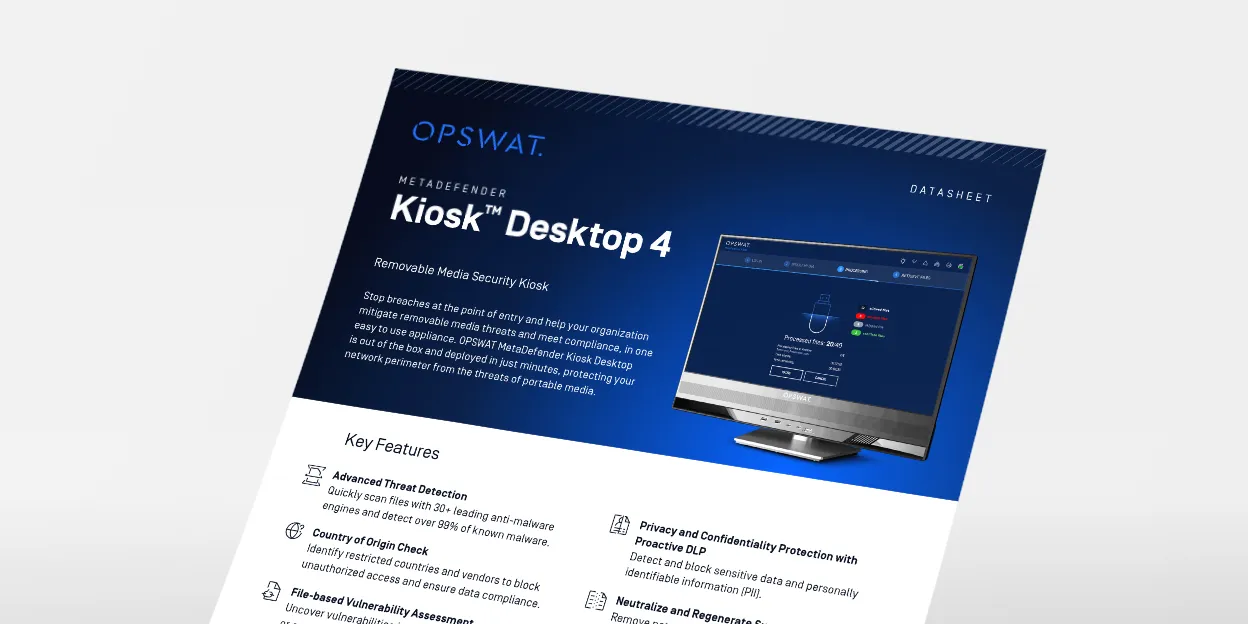
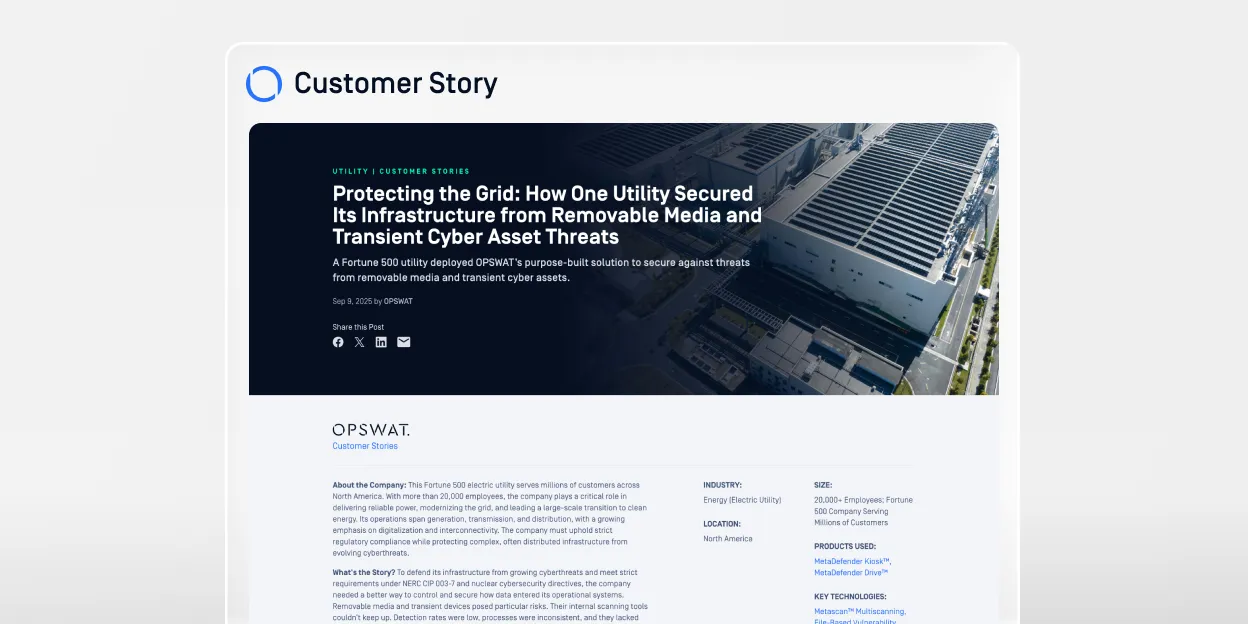
MetaDefender Kiosk
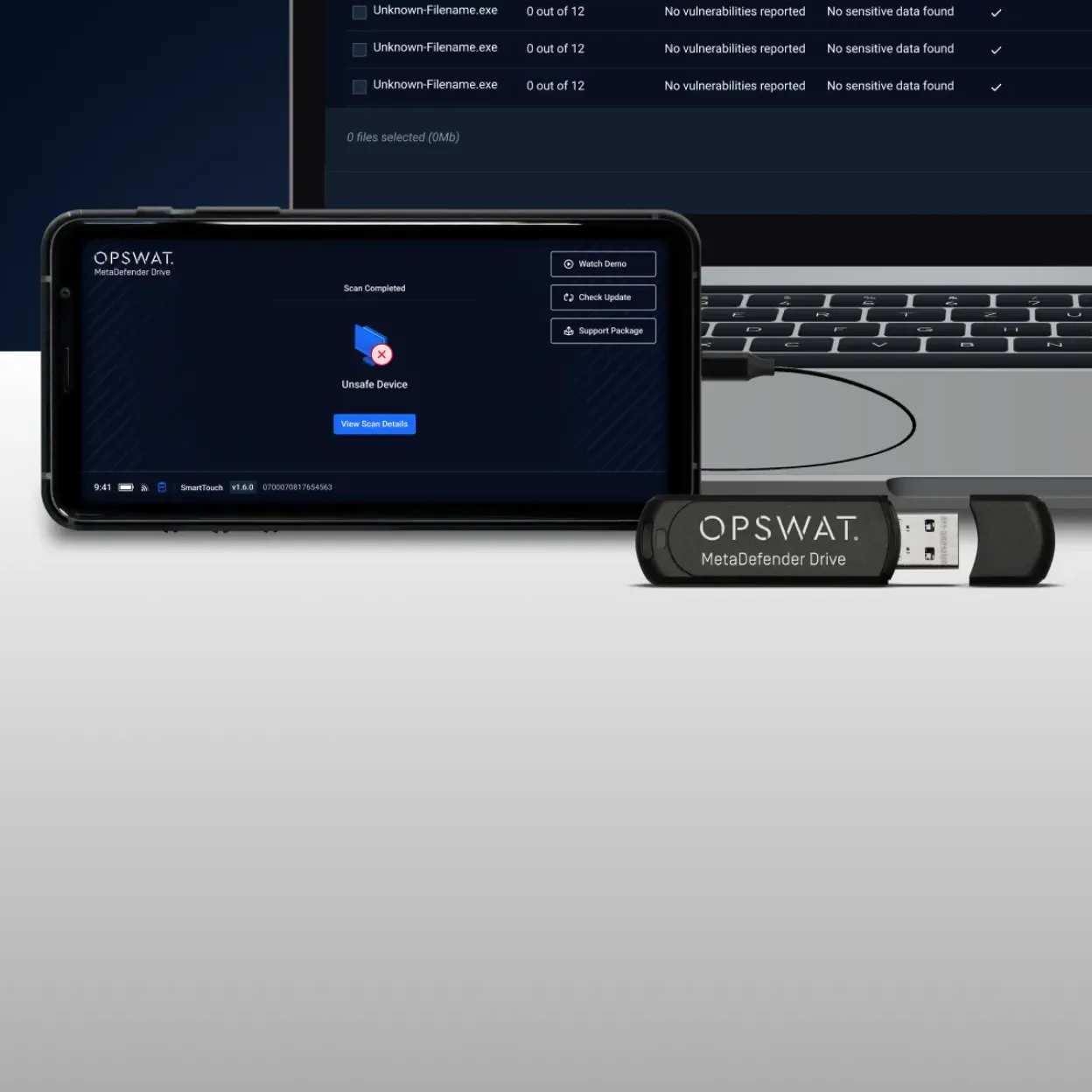
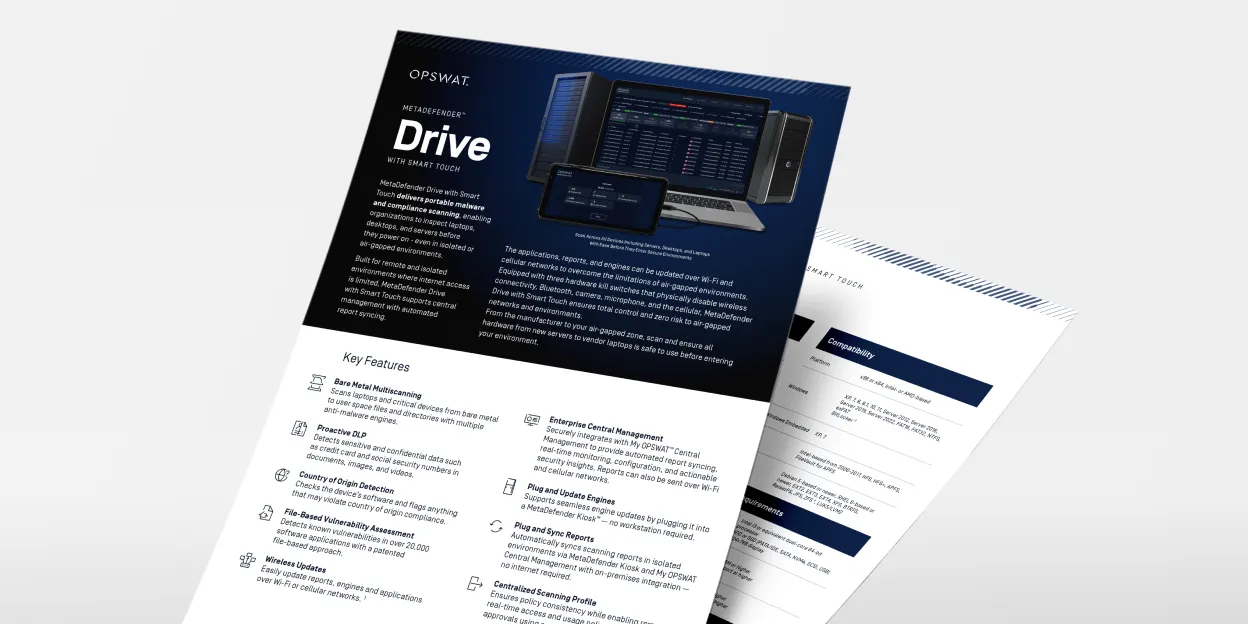
MetaDefender Drive
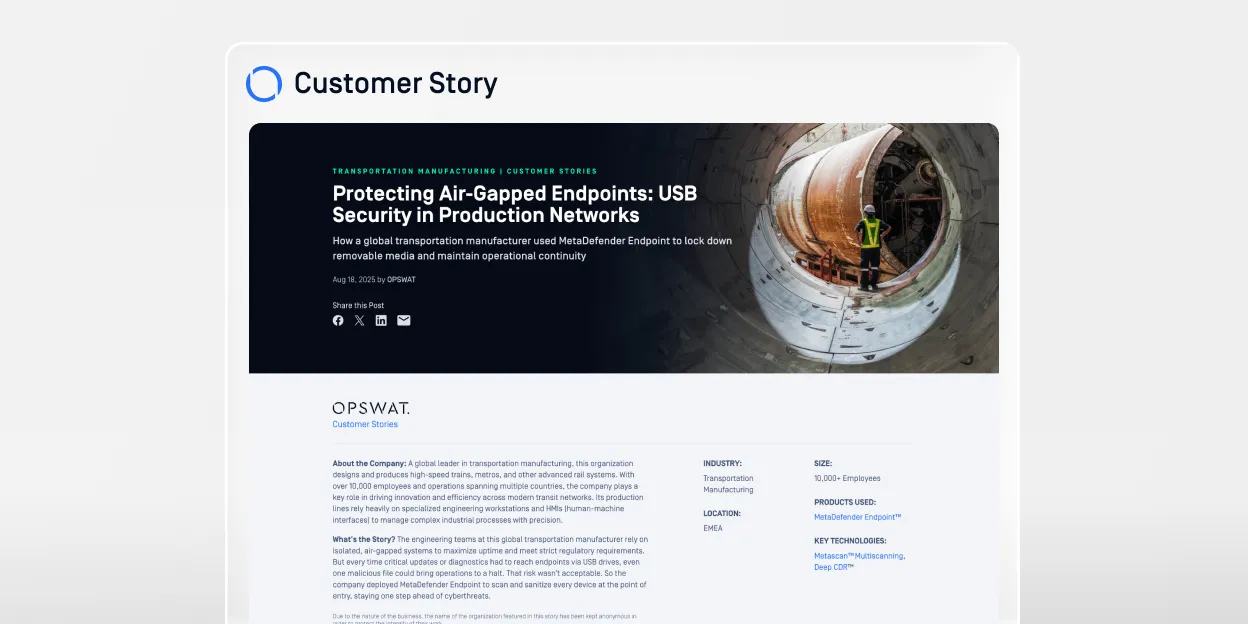
MetaDefender Endpoint
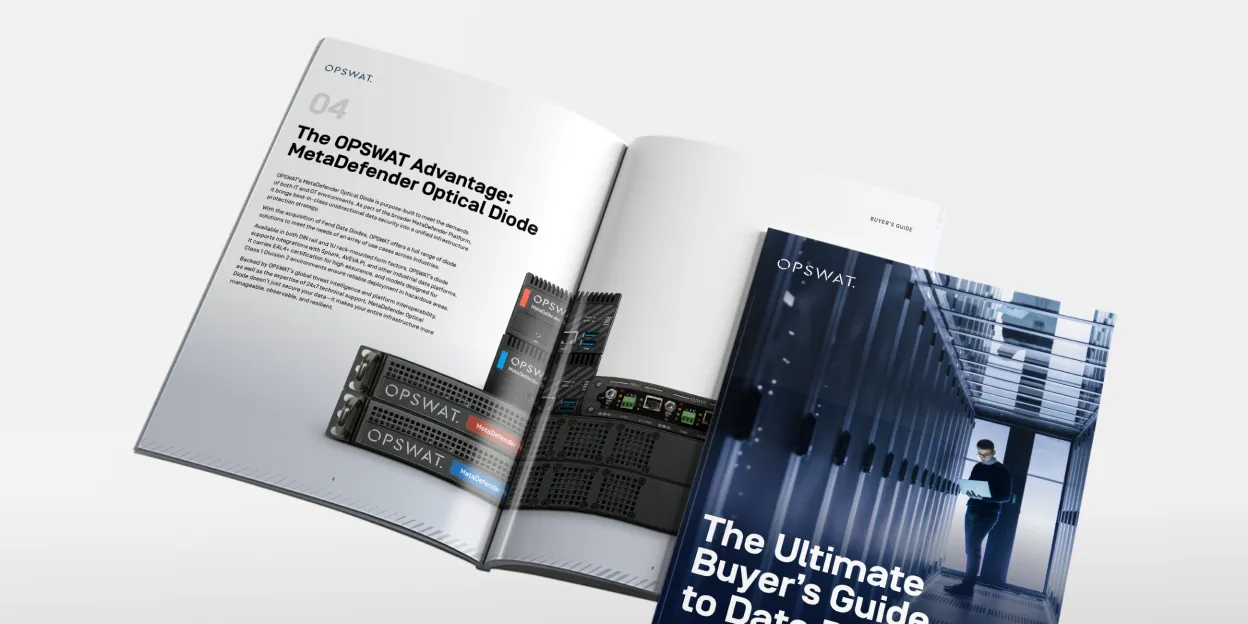
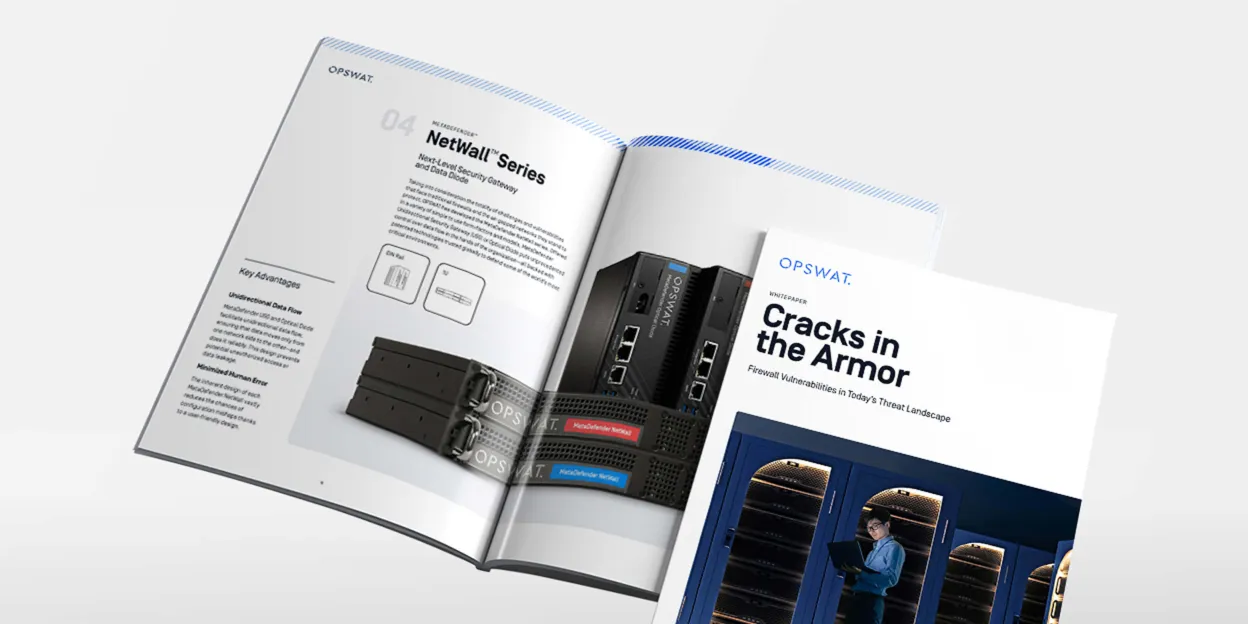
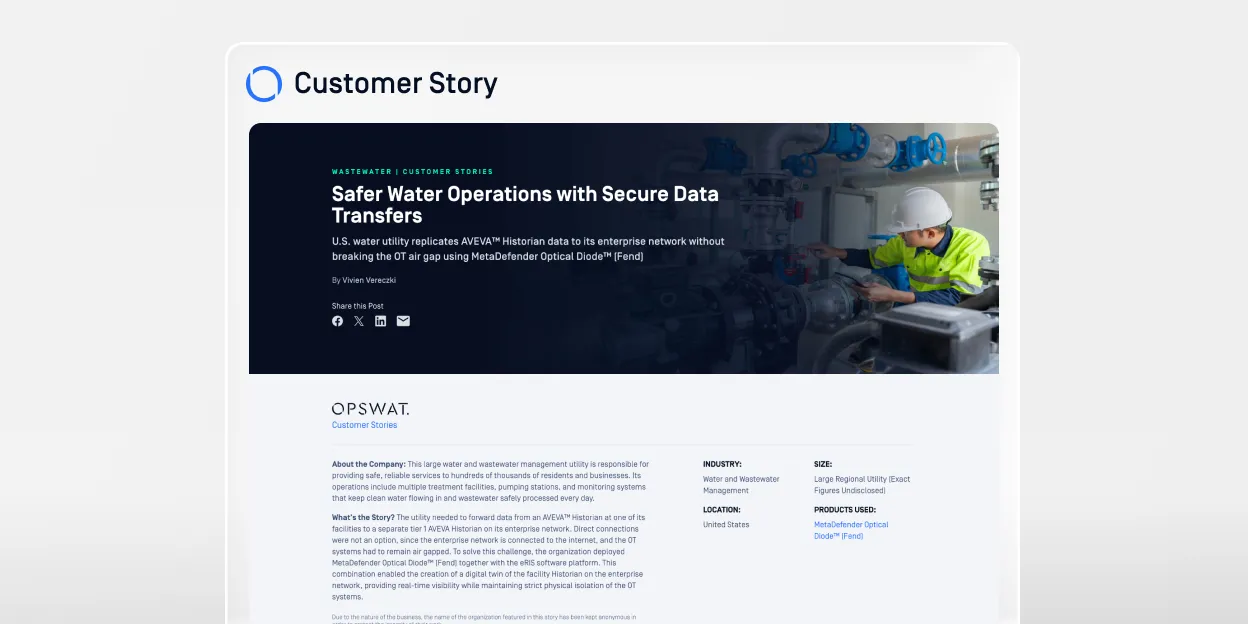
MetaDefender Optical Diode (Fend)