World Password Day is an annual event celebrated on the first Thursday in May to raise awareness about the importance of password security. According to Verizon’s 2022 Data Breach Investigations Report (DBIR), 81% of hacking-related breaches used stolen and/or weak passwords. This makes ensuring that everyone in your organization—from the field to the C-suite and everywhere between—is securing passwords more critical than ever before. In this blog post, we will discuss the significance of password security and provide some tips to help you secure your passwords.

Why is Password Security Important?
Passwords play a crucial role in keeping sensitive information safe from cybercriminals and hackers. They are the first line of defense against unauthorized access to online accounts and they protect personal information, financial data, and other sensitive information from theft or misuse. However, many people make the mistake of using weak passwords or reusing the same password across multiple accounts, putting themselves and their employers at risk of cyberattacks. Here are some reasons why password security is essential:
Protect your Personal Identifiable Information (PII)
Online accounts contain a wealth of personal identifiable information that bad actors are constantly seeking, including things like names, addresses, phone numbers, email addresses, and financial information. If a hacker gains access to an account, they can exploit this information and use it for identity theft, fraud, or other malicious activities.
Prevent Unauthorized Access
Passwords are the initial security perimeter that prevents unauthorized access to accounts. If someone guesses or steals a password, they can gain access to the account and wreak havoc on your digital—and sometimes physical—life.
Avoid Financial Loss
Cybercriminals can use compromised accounts to steal money or make unauthorized purchases, causing financial loss.
Protect Reputation
As we’ve seen in the countless celebrity hacks over the years, if a hacker gains access to social media accounts or email, they can post or send inappropriate messages or content that can damage the user’s reputation.
Stay Compliant
Many organizations and industries have specific password security requirements to comply with regulations and protect sensitive data. Failure to comply can result in fines, penalties, or even legal action.
6 Tips for Keeping Passwords Secure
We now know some of the risks of password security—so how can businesses and consumers alike combat them? Use these seven tips when considering your password selection and management to mitigate risks.
1. Use Strong Passwords
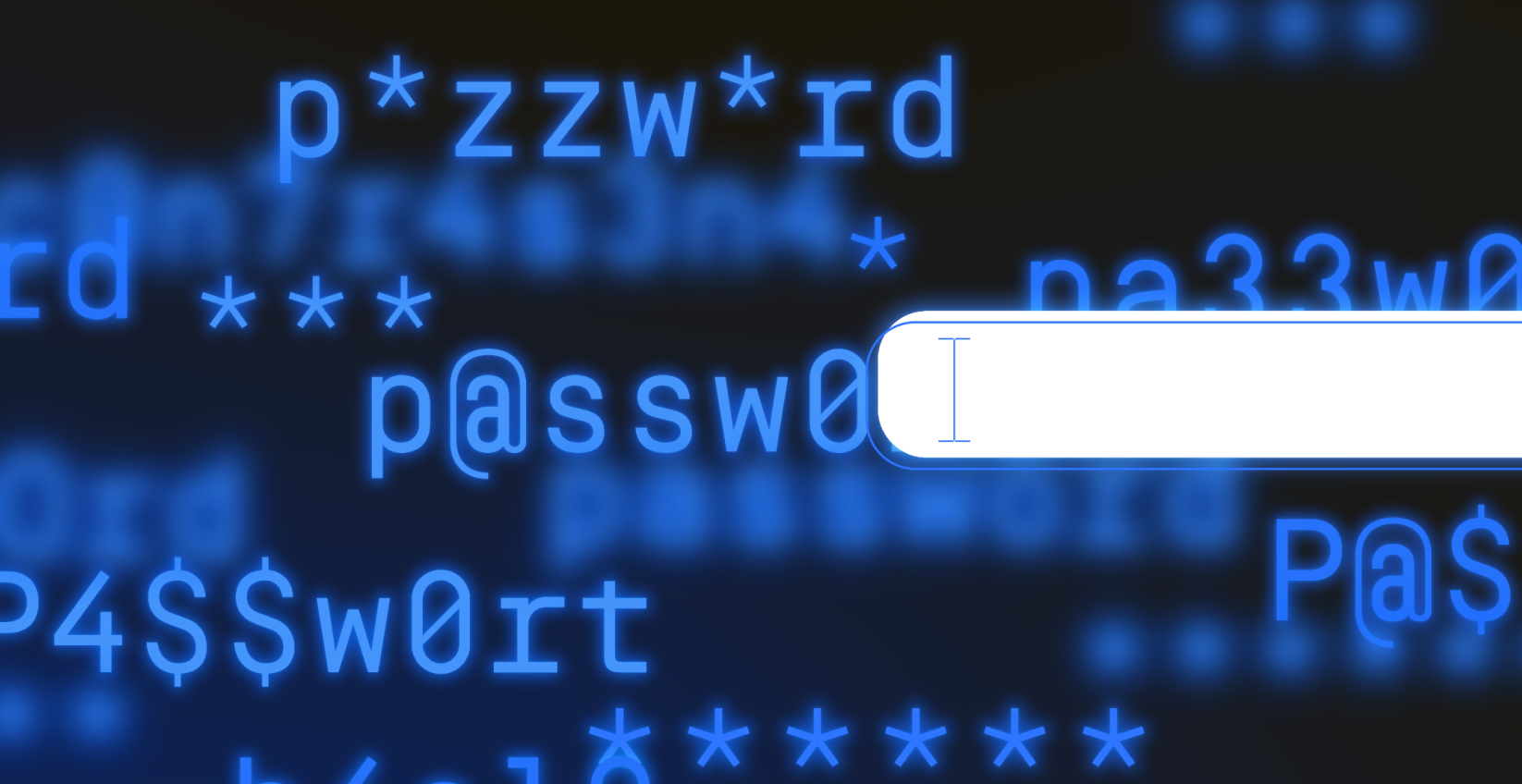
A strong password should be at least 12 characters long and include a mix of uppercase and lowercase letters, numbers, and symbols. Avoid using personal information, common phrases, or easily guessable patterns, such as "123456" or "password." Consider using a password generator tool to create strong, unique passwords.
2. UseUnique Passwords
Do not reuse the same password across multiple accounts. If a hacker gains access to one account, they can use the same password to access other accounts. If you only want to remember one password, use a password manager to generate and store unique passwords for each account.
3. Enable Two-Factor Authentication
Two-factor authentication provides an extra layer of security by requiring a second factor, such as a code or biometric authentication, in addition to your password.
4. Change Passwords Regularly
Regularly changing your passwords can prevent unauthorized access and reduce the risk of a successful cyberattack. Organizations can implement policies that enforce that passwords must be changed.
5. Avoid Public Wi-Fi
Public Wi-Fi networks are often unsecured and can allow hackers to intercept your passwords and other sensitive information. Use a virtual private network (VPN) to encrypt your internet traffic and protect your passwords.
6. Be Cautious of Phishing Scams
Phishing scams are a common tactic used by cybercriminals to steal your passwords and other sensitive information. Be cautious of unsolicited emails or messages asking you to provide your password or click on a link. Verify the sender and never share your password with anyone.
Password security is a critical aspect of maintaining your online security and protecting your sensitive information. By using strong, unique passwords, enabling two-factor authentication, and staying informed about the latest password security best practices, you can reduce the risk of cyberattacks and take the first steps to securing your digital life. Expand your cybersecurity best practices and use World Password Day to make sure you’re keeping the necessary security measures in mind.
Ready to learn more about how OPSWAT can level-up your cybersecurity posture?